

The world is edging past critical climate thresholds as emissions hit new highs, proving that the weakening link between GDP and CO₂ is still far too slow to keep global heating in check.
UNCTAD

As trade in clean technologies like solar and wind surges, aligning global markets with climate goals can cut costs, expand renewable access, and accelerate the low-carbon transition worldwide.

In a new report, UN Trade and Development says improving the international financial architecture is a prerequisite for unlocking the finance needed to support climate-resilient development.

Set for November 2026, the UN Global Supply Chain Forum will unite world leaders in Saudi Arabia to boost trade resilience and build sustainable, inclusive logistics systems. Stay tuned for updates..

The 16th UN Conference on Trade and Development is being held from 20 - 23 October 2025 at the Palais des Nations in Geneva under the theme “Shaping the future: Driving economic transformation for equitable, inclusive and sustainable development”. Hosted by Switzerland and UNCTAD, the conference brings together governments, Nobel Laureates, international organizations, civil society and renowned experts to discuss global trends and policy perspectives on trade, investment, development and digital economy. Check the programme and follow the conference on UN Web TV.

Global seaborne trade is projected to grow by just 0.5% in 2025, as rising costs, geopolitical tensions, and long-distance rerouting contribute to mounting uncertainty in the maritime transport sector.

The World Trade Organization Fisheries Subsidies Agreement marks a pivotal step toward ocean sustainability, curbing harmful subsidies while supporting developing nations and global food security.

UNCTAD’s latest Global Trade Update reveals that systemic uncertainty, driven by shifting policies and geopolitical instability, is reshaping global trade, raising costs, and disproportionately harming developing economies.

UN Trade and Development outlines a clear vision for landlocked developing countries to enhance trade opportunities through regional cooperation, digital readiness, and targeted reforms.
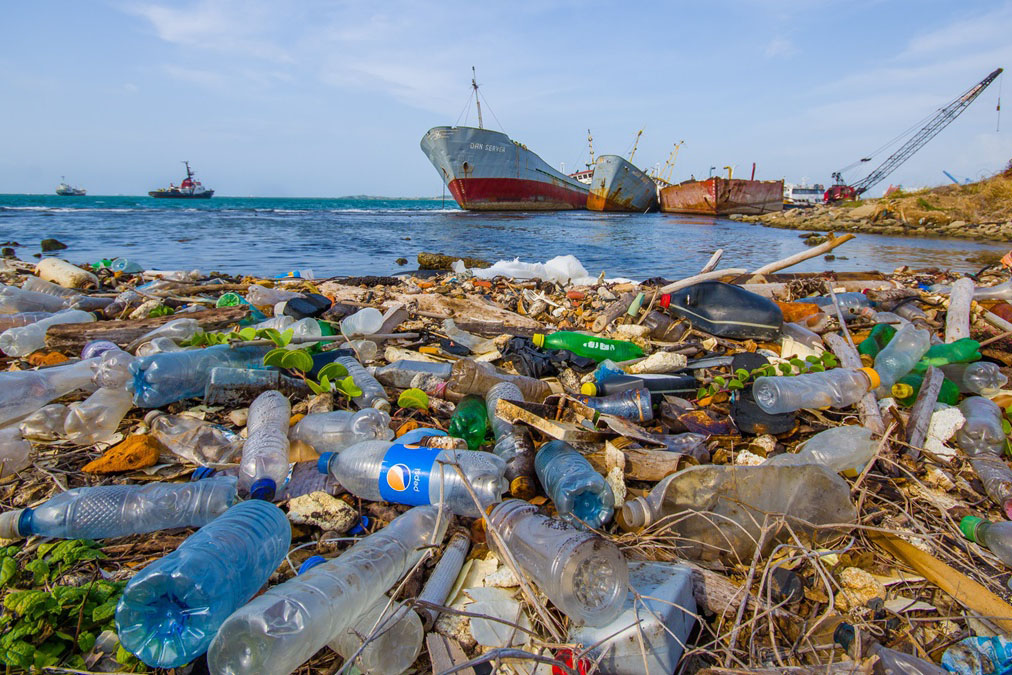
As global plastic trade surpasses $1.1 trillion, United Nations Trade and Development warns of rising environmental harm and calls for trade reforms, investment in sustainable alternatives, and a unified global treaty to curb pollution.

Over two-thirds of developing countries remain reliant on primary exports, risking instability and missed opportunities without urgent economic diversification.

A small number of digital giants now control nearly half of global digital market sales, raising concerns about increasing market concentration.
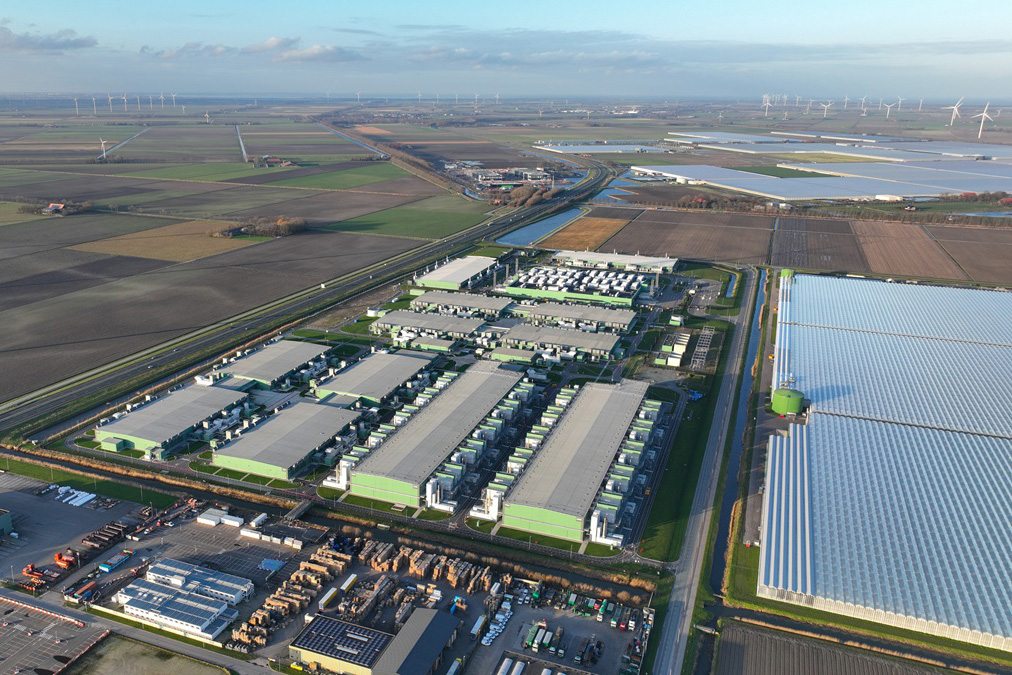
Despite a headline rise in 2024, UNCTAD warns that global FDI is in decline for the second year, exposing a widening disconnect between capital flows and development needs.

The latest Global Trade Update from UNCTAD examines the ocean economy – a vital driver of global trade now under growing pressure from environmental and geopolitical shocks.
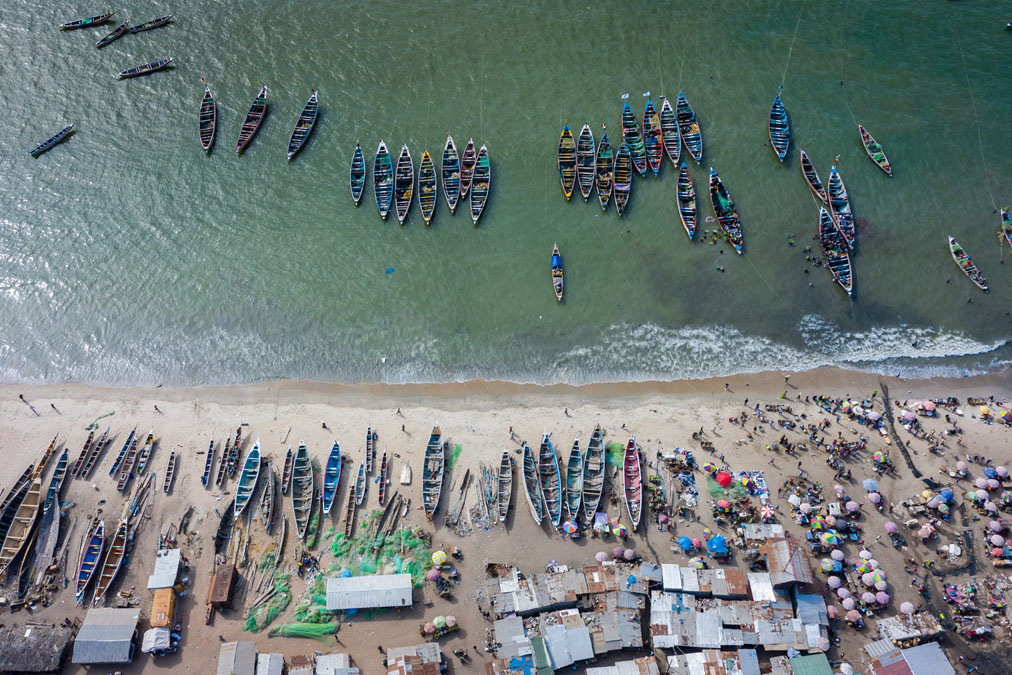
The 3rd UN Ocean Conference in Nice will unite global leaders to address urgent ocean challenges, drive sustainable use, and protect livelihoods dependent on marine ecosystems and trade.