

Digitalisation is reshaping learning, work, and social life, offering new opportunities while also deepening inequalities. Despite its potential to improve education access, 739 million people still lack basic literacy, putting them at risk of further exclusion. Digital literacy now includes critical engagement with digital content. This year, International Literacy Day (8 September) focuses on “Promoting literacy in the digital era,” stressing inclusive policies for empowerment and sustainability. To mark the occasion, a global conference is being held at UNESCO Headquarters in Paris.
UNESCO

Through Begum TV’s Tabasum program, Afghan women and girls cut off from education find hope, healing, and empowerment, one broadcast at a time.

3,000 households with no access to electricity received solar kits designed to reduce reliance on firewood, improve living conditions and help protect ecosystems.

International support and local action are reviving Madagascar’s rainforests, paving the way for their removal from UNESCO’s List of World Heritage in Danger.

The 2025 UNESCO International Conference on Cultural Heritage in Africa called for African-led, community-driven heritage initiatives to ensure that World Heritage truly benefits the continent and its people.

Between 2021 and 2023, Kenya faced its worst drought in 40 years. In Turkana County alone, more than 200,000 pastoralists abandoned their way of life. Lake Turkana, the world’s largest permanent desert lake and a UNESCO World Heritage site, offers hope. It produced 17,300 metric tonnes of fish in recent years, and could produce considerably more. The World Food Programme (WFP) and UNESCO, in collaboration with the Marsabit and Turkana County Governments, are launching a new programme to sustainably unlock the lake's economic potential for those living along its shores.
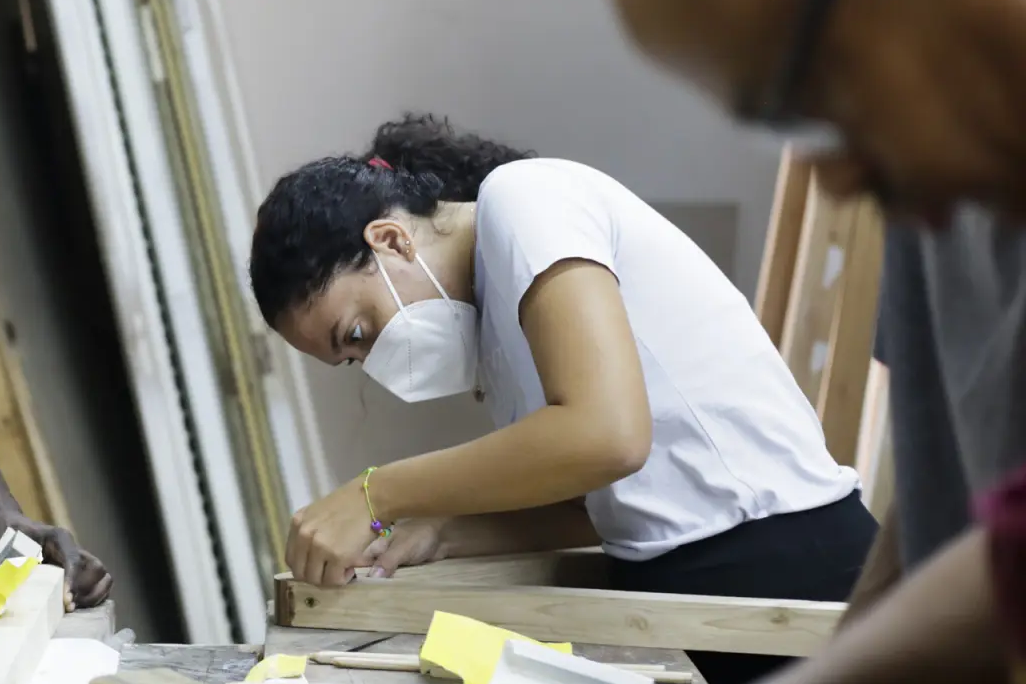
Deborah Papannah, a 27-year-old visual arts student, is pursuing a career in restoration to preserve her country's colonial buildings and artifacts, empowered by training from UNESCO’s Transcultura programme.
Every year, plastic kills over 100,000 marine mammals and a million seabirds, but the Ocean Decade is developing innovative, low-cost technologies to tackle plastic pollution at its source, aiming to prevent further environmental damage.
Research has found plastic waste makes up 80% of all marine pollution, and microplastics were found in every marine turtle, over half of all whales, and a third of seals.
Balancing ocean conservation with human activity starts by bringing together scientists, policymakers, and communities to sustainably share the sea.

Against all odds, fragile coral species in Tatakoto are thriving in extreme heat, offering new hope for reef resilience in a warming world.

Once again, it's time to swing into another edition of International Jazz Day (30 April). The 2025 observance is hosted by the city of Abu Dhabi and takes place in over 190 countries. The annual All-Star Global Concert features jazz legend Herbie Hancock, with Oscar-winning actor Jeremy Irons as the host. This exciting event is broadcast to millions of viewers worldwide through YouTube, Facebook, and UN WebTV. UNESCO encourages schools, universities, and organizations to participate in the celebrations, with various activities and media featuring jazz music happening around the globe.
On the 2025 International Day of Women and Girls in Science, UNESCO encouraged global participation, inspiring girls to pursue STEM for a brighter future.
Join UNESCO in celebrating linguistic diversity with the launch of the Hawaiian edition of What Makes Us Human, supporting the International Decade of Indigenous Languages.

After Hurricane Otis and Hurricane John devastated Acapulco, UNESCO organized workshops to rebuild communities through culture and empathy, while preserving the city's rich Afro-descendant heritage.
Over half of our planet lies in the ocean's depths, a vast and mysterious world that remains largely unexplored. As part of the #OceanDecade, scientists worldwide are accelerating efforts to discover and understand the deep sea, crucial for its protection and sustainability.