
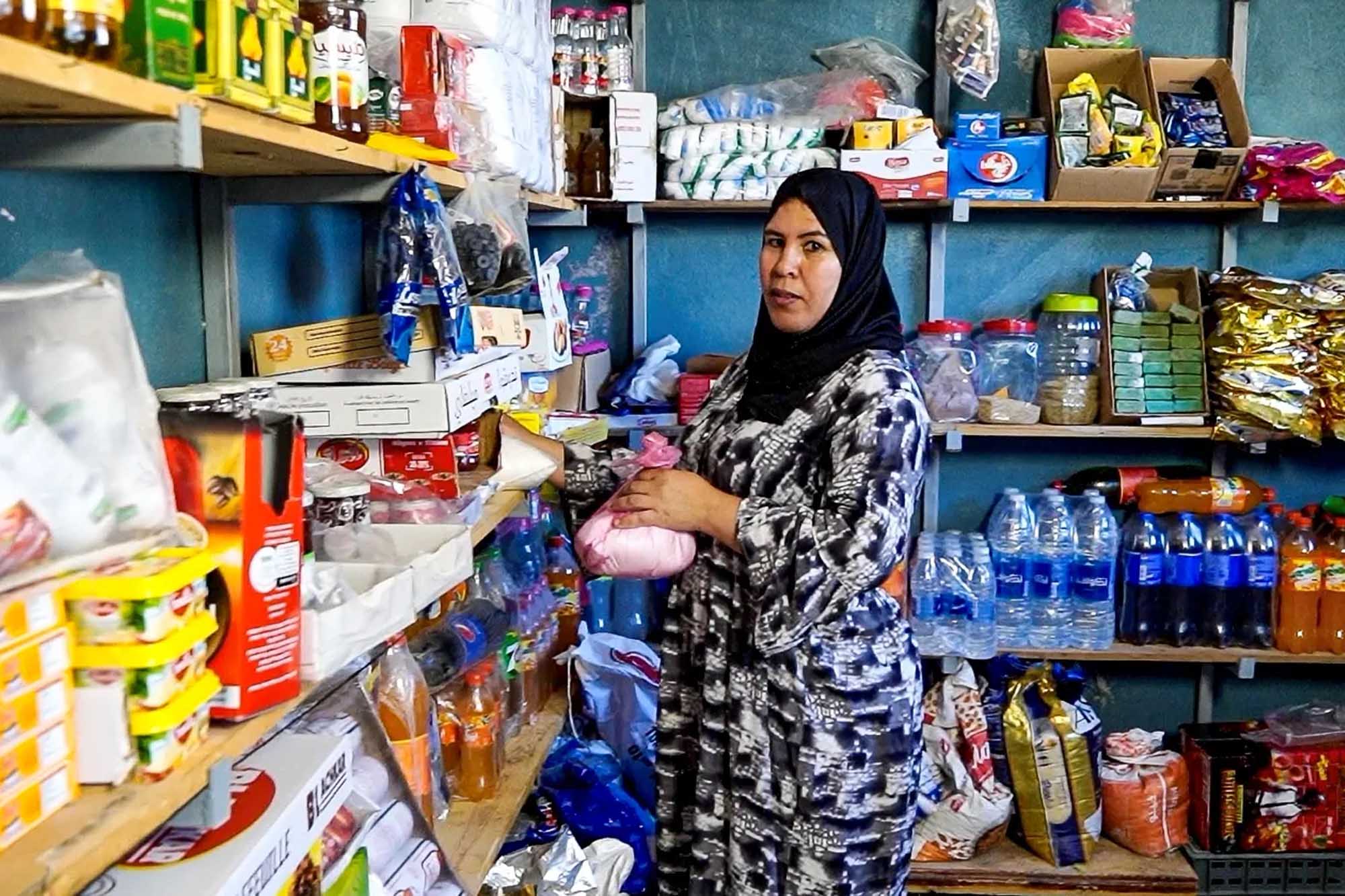
Fatima Laanieg has always been drawn to hands-on work. After taking care of her home and children, she sought to contribute financially. Four years ago, she became a seasonal agricultural worker in Spain, which went well. Fatima dreamed of starting her own business but lacked resources. In 2022, she joined WAFIRA, an International Labour Organization (ILO) programme for women run by Morocco’s National Agency for the Promotion of Employment and Skills, where she expressed her desire to open a grocery shop. With training and support from her husband, she gained confidence. Her dream is to expand her small shop into a supermarket and inspire her son to learn the trade. Fatima is committed to growing her project step by step.
Economic Development

Six months after a devastating earthquake hit central Myanmar, particularly Mandalay, the area shows signs of destruction with collapsed structures and a need for recovery. The country, already facing civil war and political unrest, struggled further with the added impact of the disaster on poverty and livelihoods. In response, community groups and international partners rallied together. With support from the United Nations Development Programme (UNDP) and contributions from nations like Korea and Japan, a comprehensive plan was implemented quickly to clear debris, provide temporary shelters, and ensure access to clean water, marking a significant step in the early recovery process.

Developing economies currently face a significant investment shortfall, requiring about 5% of global GDP annually to meet development goals, with low-income countries needing 8%. Since the 2008 financial crisis, investment growth in these regions has slowed dramatically, particularly in private investment and foreign direct investment (FDI). Nevertheless, new World Bank research indicates that investment miracles are possible, as evidenced by 115 investment accelerations over seven decades that doubled GDP growth and significantly reduced poverty. However, such accelerations have become increasingly rare since the 2000s, affected by global conditions and domestic policy challenges.
For 60 years, United Nations Development Programme has partnered with governments and communities to reduce inequalities, create jobs, support crisis recovery, and promote inclusive, sustainable development worldwide.

Being in debt can be burdensome, and similarly, our obligations to Earth are growing. We are depleting the planet's resources through deforestation, food waste, overfishing, and fossil fuel extraction at an alarming rate. This year, Earth Overshoot Day, which indicates when we surpass the Earth's annual resource replenishment ability, fell on July 24. At our current consumption rate, we require 1.75 planets to support our lifestyles. Since 1971, when we were within planetary limits, our consumption patterns have increasingly disregarded the needs of future generations.

At the midpoint of the 2030 Agenda, the world faces major challenges: climate change, debt burdens, food insecurity, digital divides, and 650 million people in extreme poverty. South-South and Triangular Cooperation offer practical, locally grounded solutions that complement traditional aid. The 2025 theme for the International Day for South-South cooperation (12 September), “New Opportunities and Innovation,” emphasizes sustainable financing, resilient partnerships, SDG progress, and the Global South’s leadership. Platforms like South-South Galaxy and the Solutions Lab help scale what works.
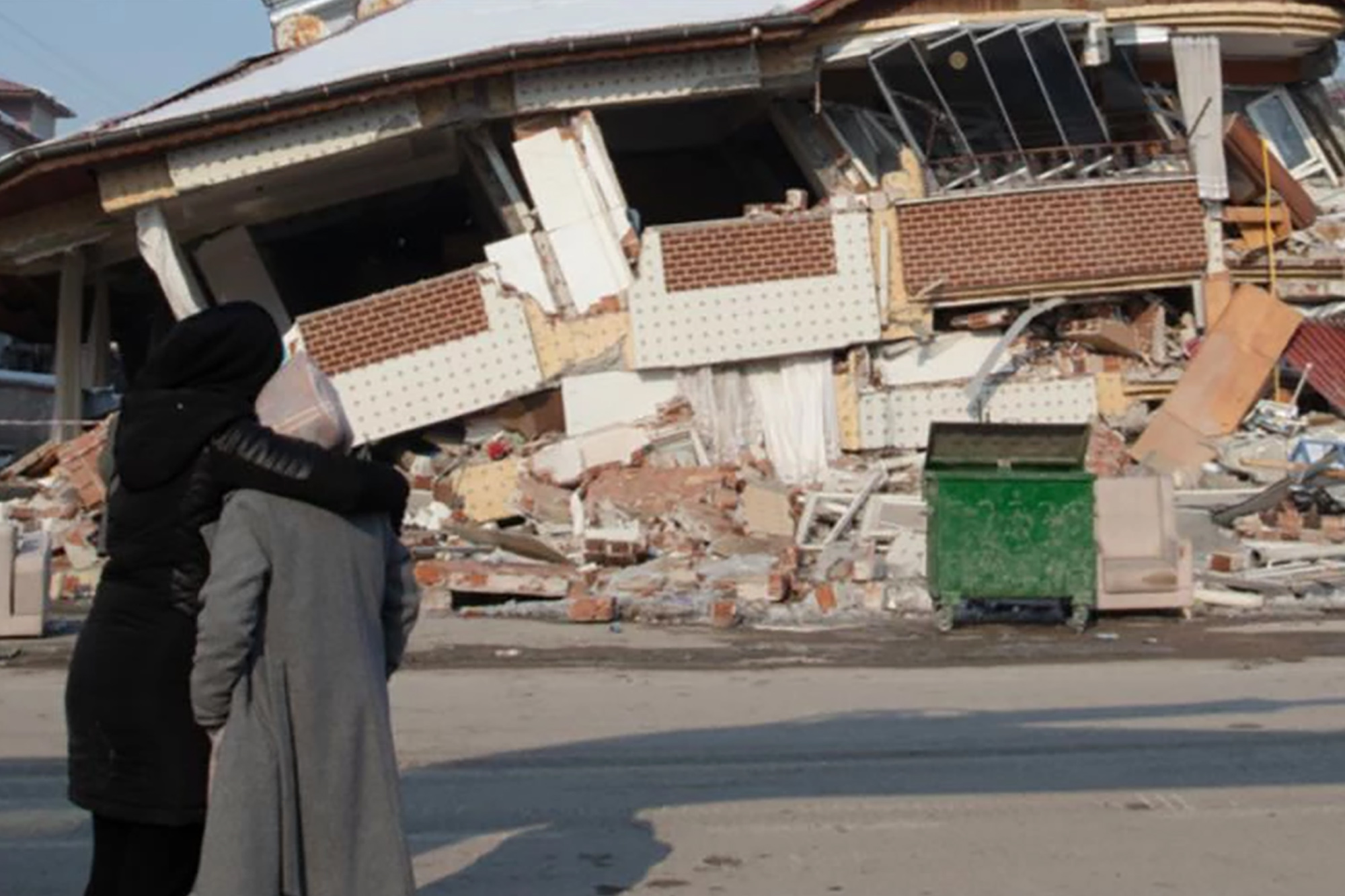
Knowledge, especially practical know-how, is crucial for countries to address development challenges and enhance resilience to disasters. Many people and businesses in emerging economies lack insurance against natural disasters, forcing governments to absorb the costs. In 2023, earthquakes in Morocco, Türkiye, and Syria highlighted this gap. In Morocco and Türkiye, public-private insurance partnerships demonstrated effectiveness in these cases, expanding access and affordability of risk coverage. The World Bank Group Academy launched the Disaster Risk Finance Academy to facilitate sharing of best practices among global experts and officials, with a goal of transforming knowledge into actionable solutions.
Yemen’s Rural Livelihoods Project boosts resilience by restoring water, providing solar power, and teaching nutrition to fight poverty and hunger.
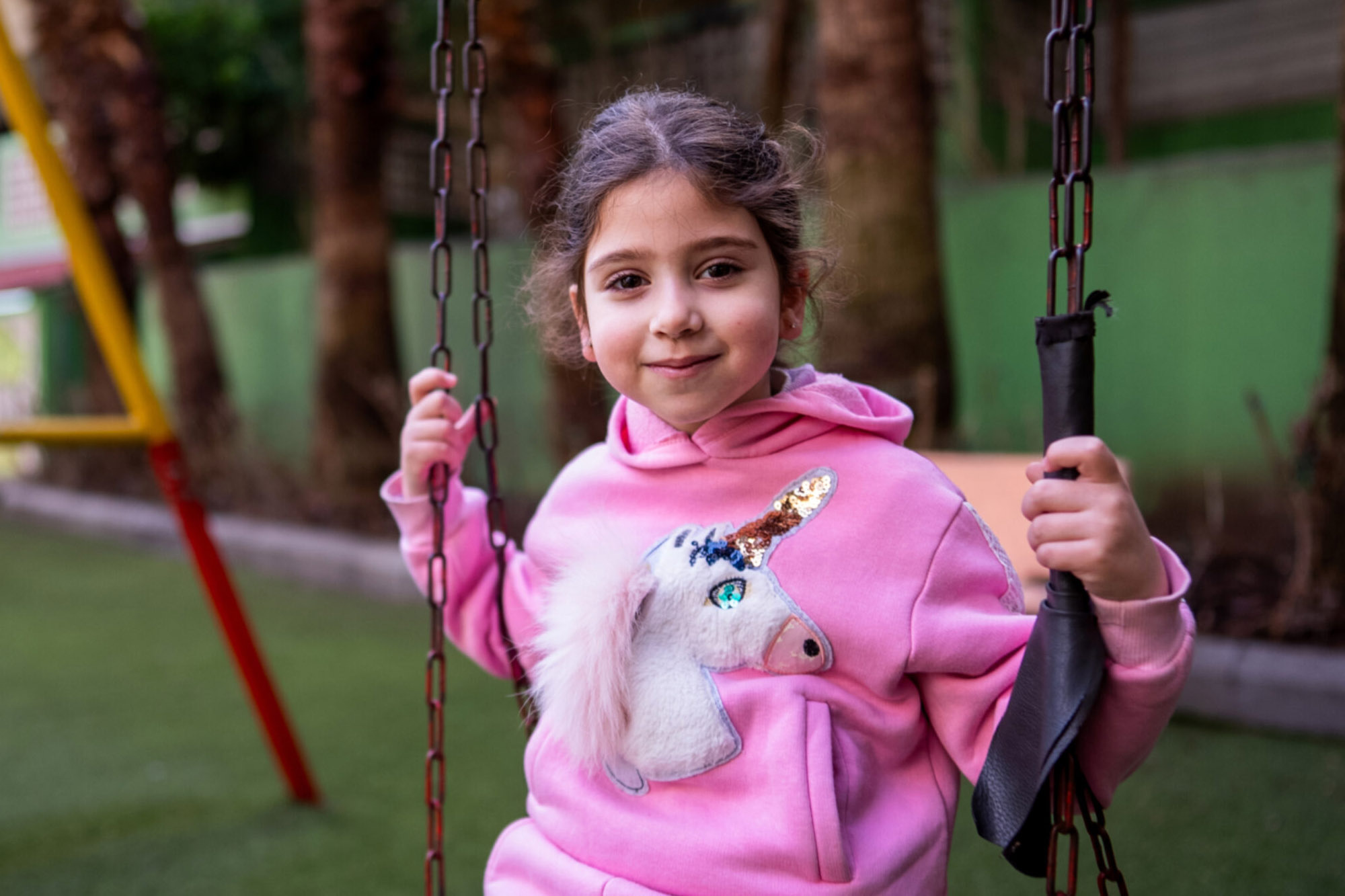
UNOPS is revitalizing public services and spaces in Lebanon – helping to strengthen local communities and foster greater resilience.

Earlier this year, Fatima, a resident of a remote village in Herat Province, received humanitarian cash assistance that provided much-needed relief. However, two local men seized the funds from 23 recipients, claiming they needed redistribution. Despite the risk of retaliation, Fatima contacted Awaaz Afghanistan, a nationwide platform for reporting issues related to humanitarian aid. The team acted on her complaint, leading to a field visit that confirmed the misuse of funds. Within ten days, each affected household received their full assistance. This case underscores the impact of speaking out and the responsiveness of humanitarian actors, facilitated by Awaaz Afghanistan, which has assisted nearly 600,000 calls and reached almost 4 million people.

Home to over 600 million people, the 32 Landlocked Developing Countries (LLDCs) face a highly challenging pathway to sustainable development due to the lack of sea access, geographical isolation, and trade costs that are 30% higher than those of coastal countries. To raise awareness, the UN General Assembly proclaimed 6 August as the International Day of Awareness of the Special Development Needs and Challenges of Landlocked Developing Countries. The first celebration of this day coincides with the Third UN Conference on Landlocked Developing Countries, currently being held in Awaza, Turkmenistan.

Landlocked developing countries (LLDCs) face hurdles in trade, connectivity, and development due to their lack of direct sea access. Without coastal ports, they rely on transit nations, which results in higher trade costs and delays. Despite these challenges, LLDCs host vibrant communities with untapped potential. The Third UN Conference on Landlocked Developing Countries, taking place from today through Friday in Awaza, Turkmenistan, offers a chance to explore solutions and forge partnerships, addressing challenges and unlocking their full potential for a more equitable and prosperous future.

Development has led to significant achievements like longer lives and less poverty, but these gains are threatened by deep global changes, including geopolitical tensions, shifting populations, and climate shocks. The UNDP's report "Development at Risk: Protecting Gains and Unleashing Opportunities Amid Crisis" urges the global community to prioritize risk reduction. It recommends three key actions: rethink development outcomes by incorporating measures of wellbeing and resilience beyond GDP, reimagine governance through empowering local institutions and data use, and reboot cooperation by investing in long-term, flexible solutions. These strategies aim to transform risks into opportunities for advancing development effectively.
On World Rural Development Day, we meet Khmayes from rural Tunisia, whose life was transformed by an IFAD-supported project that gave him the freedom to transport and sell his goods with a motorized tricycle.

People everywhere wish to live in peace and dignity, free from fear and from want. Yet today we face multiple overlapping crises that impact billions of lives and undermine our collective well-being. Identifying threats to human security is our first step towards a future of peace and prosperity. Play the game and see if you can spot the development challenges hidden in the scene.