
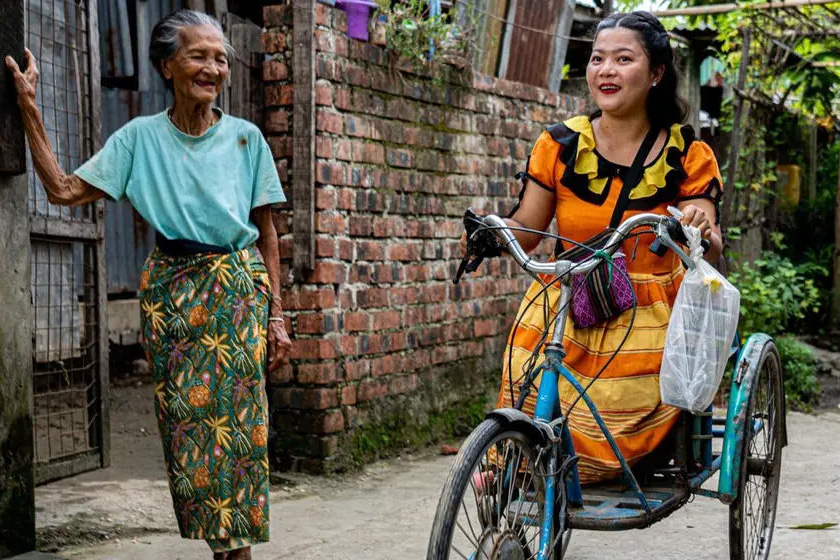
All persons with disabilities should be afforded rights and freedoms. In Myanmar, UNFPA works with local organizations to empower women and youth with disabilities to fully participate in public life.
Disabled persons
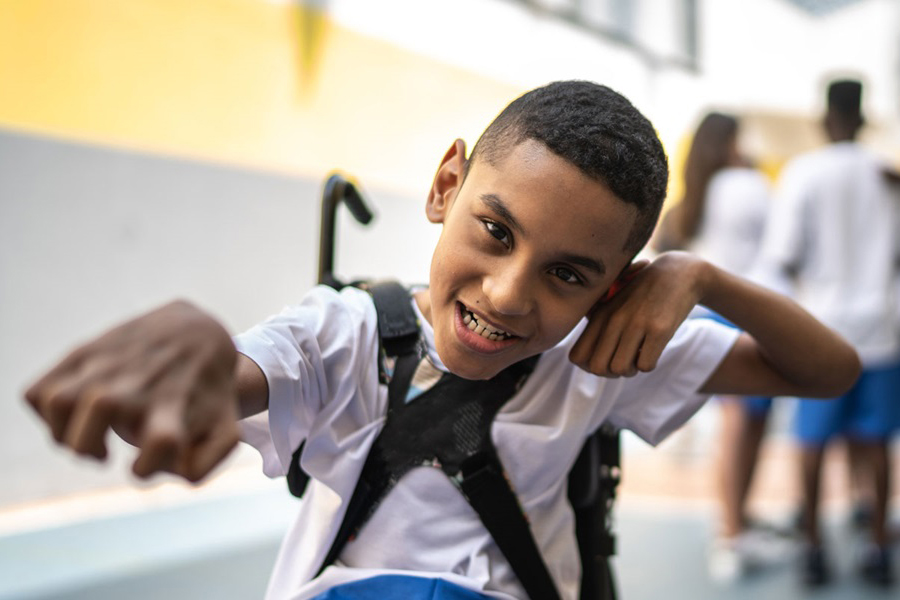
A new report by the WHO shows that due to health inequities, many persons with disabilities face the risk of dying much earlier—even up to 20 years earlier—than persons without disabilities.
ILO presents Linda Sarmento, who was disabled as a child. She was determined to go to school and later found work where she could. The COVID-19 pandemic however has made it harder. Mozambique’s social protection benefit has ensured that she meets her basic needs and helps her daughters attend school.
43 artists with developmental disabilities participated in an exhibition of over 100 paintings at the Seoul Arts Center in South Korea. Among them were artists Hansol Kim and Shinhey Park. Watch the video for a behind-the-scenes look at their daily lives. Overcoming the inequalities that they face will benefit all of society. Learn more about the UN Disability Inclusion Strategy.
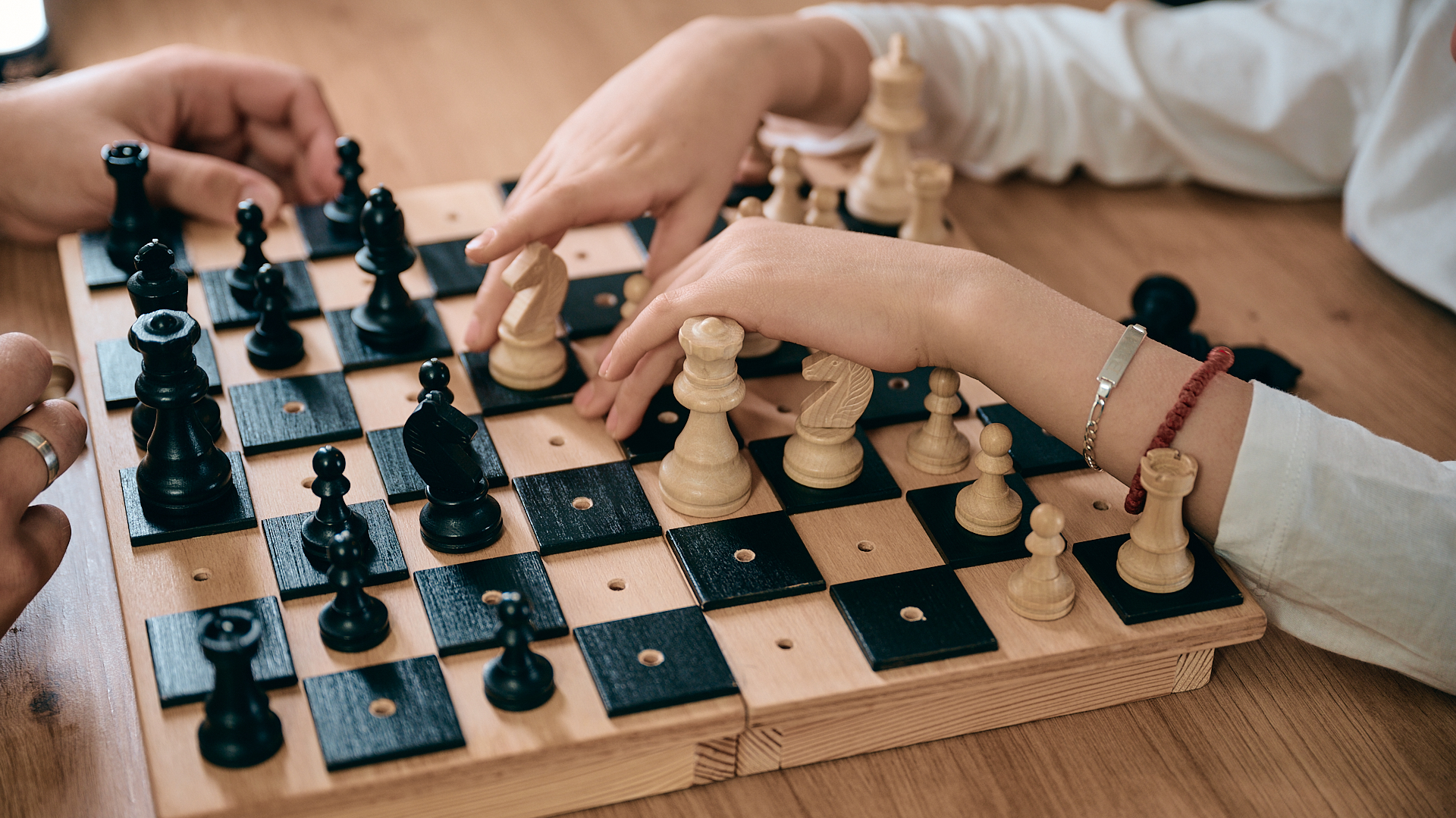
People with disabilities often aren’t informed about their rights and depend on complex procedures for decisions affecting their lives. Life without barriers would be easier for all of them if information was easily provided and procedures completed in one place. UNDP, the Government of Montenegro, and civil society organizations are working together to reform the disability assessment system - a project supported by the EU. Through that reform, disability levels and needs of all people with disabilities will be assessed in one place. This will simplify procedures significantly and make the system more accessible. Read the full story to find out more about the project.

G.S. Kabuga is one of 3,388 schools in Rwanda benefitting from reconstruction and refurbishment efforts, funded by the government of Rwanda and the World Bank. In the span of just one year, 22,505 classrooms across all 30 districts of Rwanda were built or refurbished with some accessibility features for learners with disabilities. Despite global setbacks brought-on by the COVID-19 crisis, significant progress has been made in meeting the 10 commitments, identified at the 2018 Global Disability Summit.
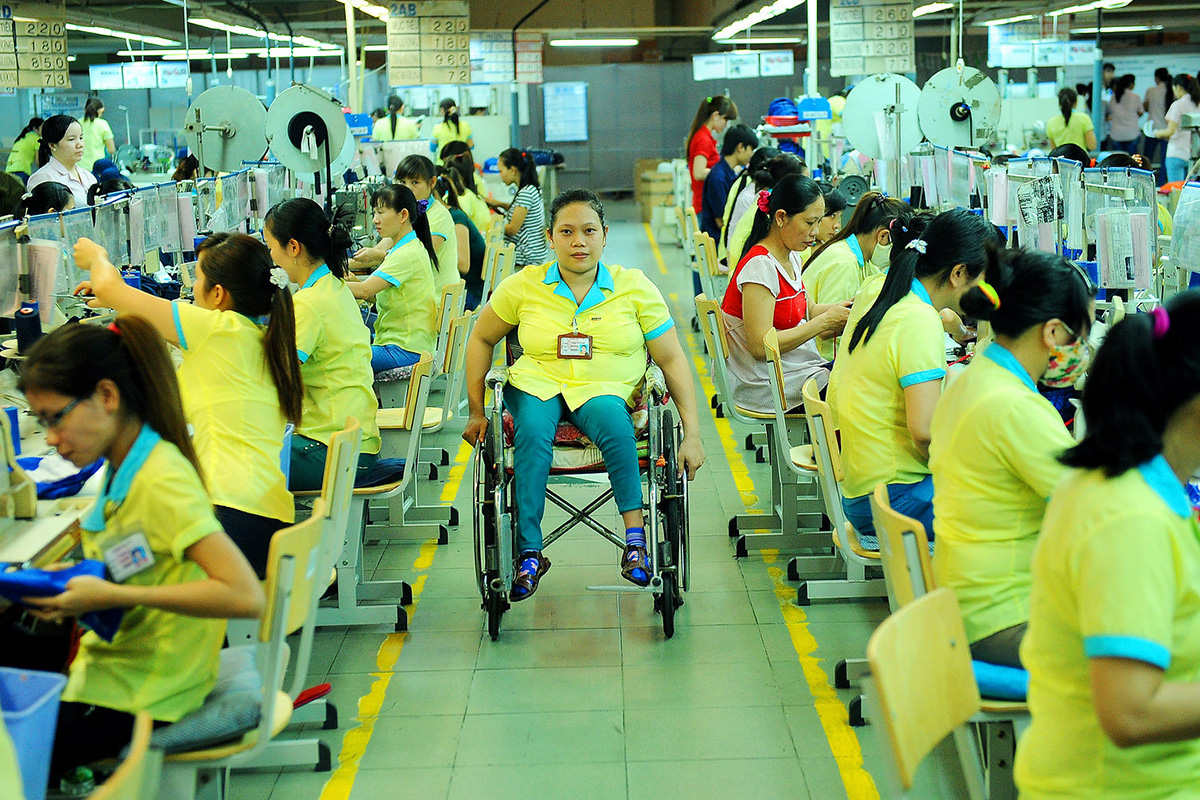
Over the past decade, major progress has been made towards increasing access to education, including for persons with autism. However, the COVID-19 pandemic created major disruptions to education globally. Many students with autism have been especially hard hit and studies show that they are disproportionately affected by disruptions to routines, as well as services and support they rely on. This year’s World Autism Awareness Day addresses inclusive education, as a key element in the transformative promise of the SDGs, to LEAVE NO ONE BEHIND. Watch the virtual event on UN WebTV.
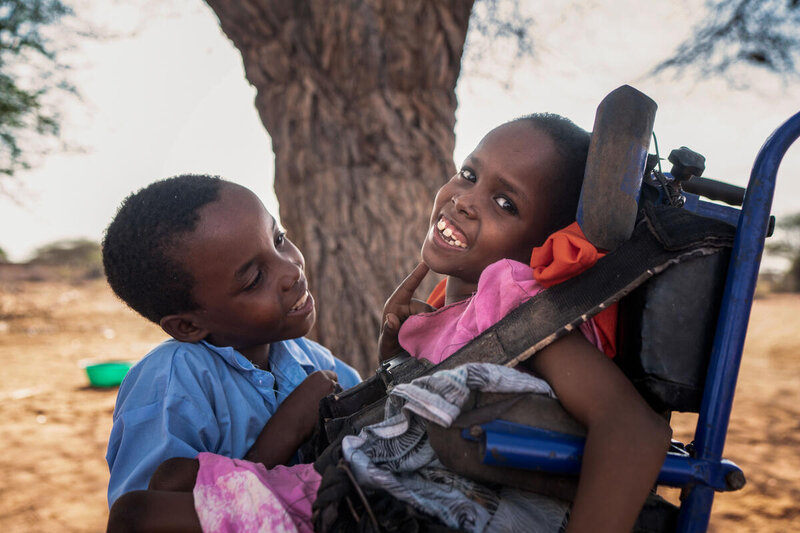
Ikran, shown here with her doting twin brother Hassan, is eight years old. She lives with her family near Wajir town, capital of one of Kenya’s poorest counties – the country is grappling with hunger caused by the severe drought in the Horn of Africa. She receives a disability allowance from a programme supported by WFP that allows her mother, Halima, to buy her the foods that suit her needs best. Ikran is quadriplegic and Adan, her older brother, is also disabled. To support her children, and her retired husband, Halima, makes and sells mandazi – a popular fried dough snack – in the school canteen. She also runs a small kiosk next to her hut. “Before disability cash transfers, life was very stressful,” she says. “Feeding a large family of nine children, two of whom need 24-hour care, on a meagre income was very challenging.”
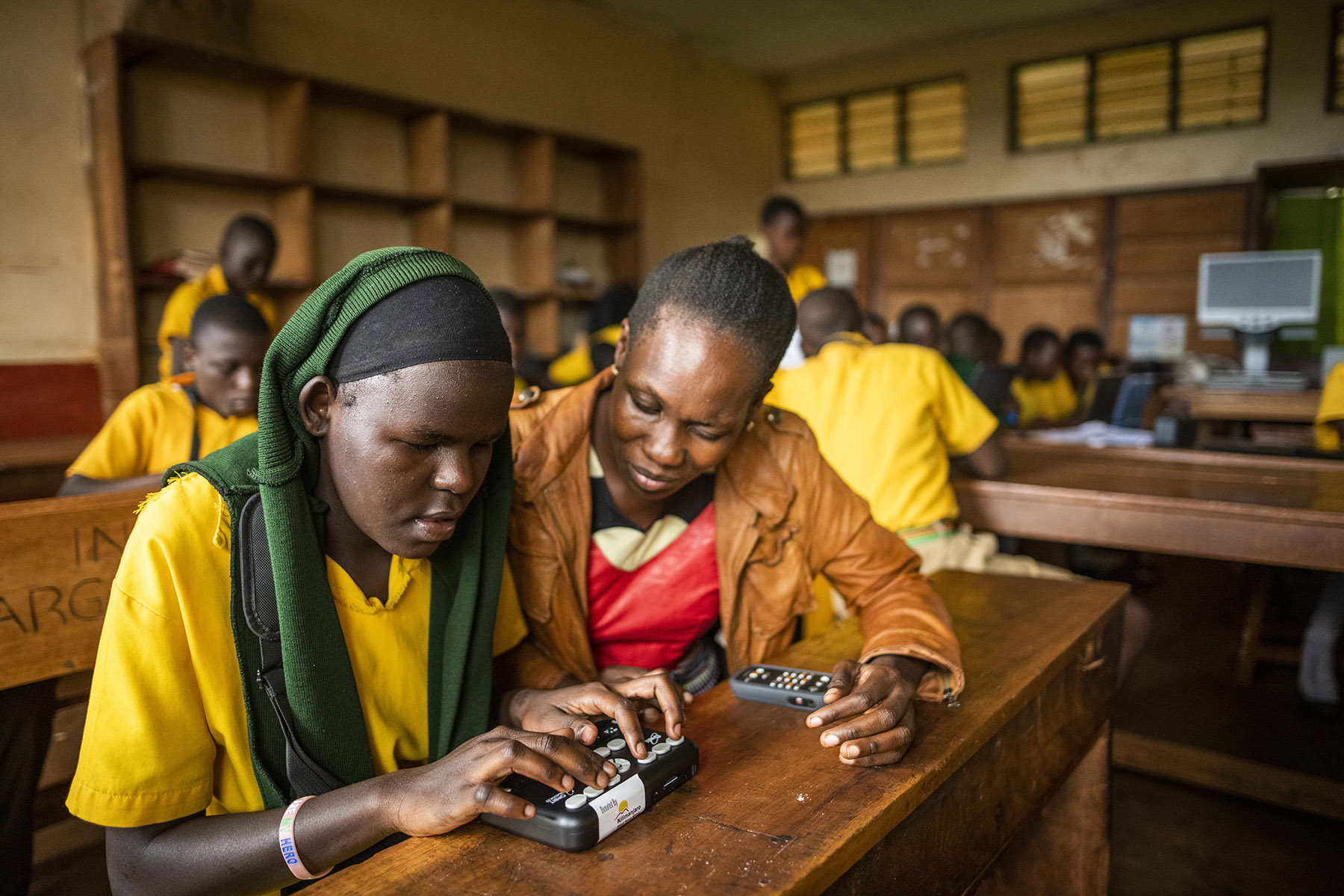
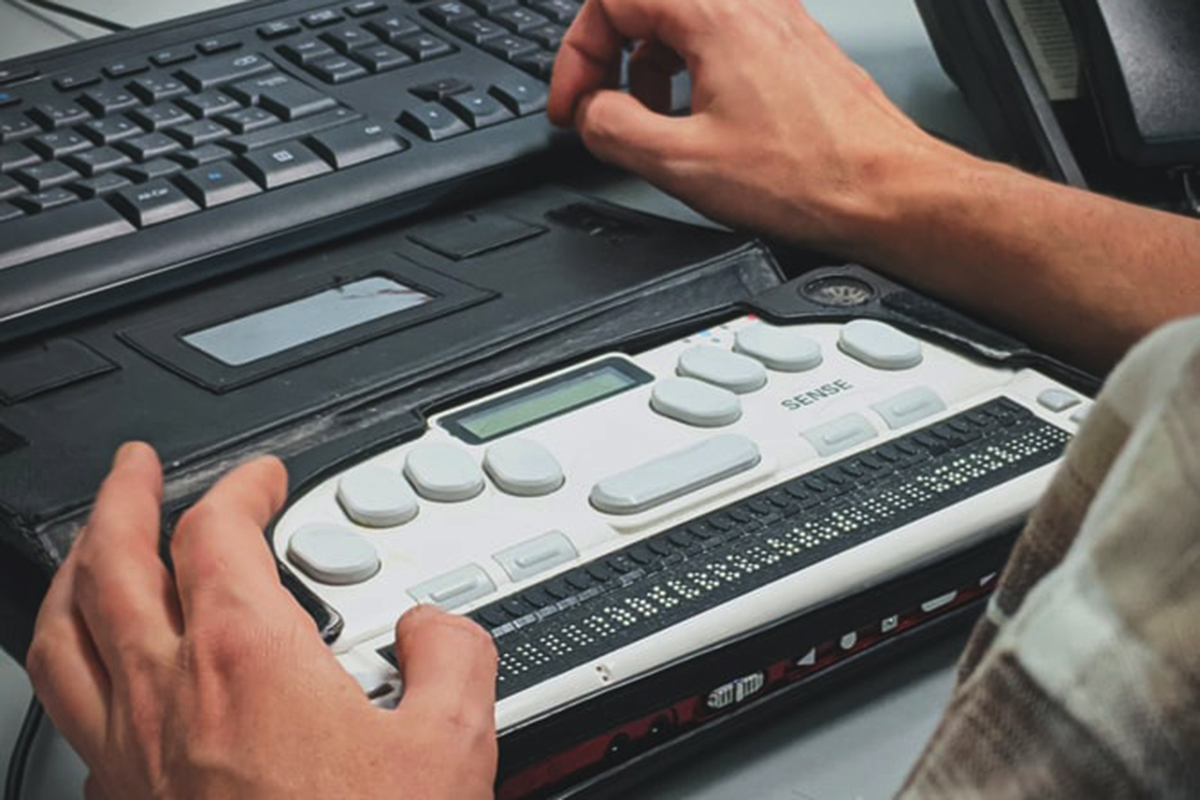
Braille is a tactile representation of alphanumeric symbols using six dots to represent each letter and number, and even musical, mathematical, and scientific symbols. It is used by blind and partially sighted people to read the same books and periodicals as those printed in a visual font. Persons with vision impairment are more likely than those without to experience higher rates of poverty and disadvantage. On World Braille Day (4 January), the United Nations recognizes Braille as essential for education, freedom of expression and opinion, access to information and social inclusion.
The hit documentary film, Not Going Quietly, tells the moving and inspiring story of Ady, who was diagnosed with ALS at the age of 32, as he continues his tireless activism for healthcare access in the US.
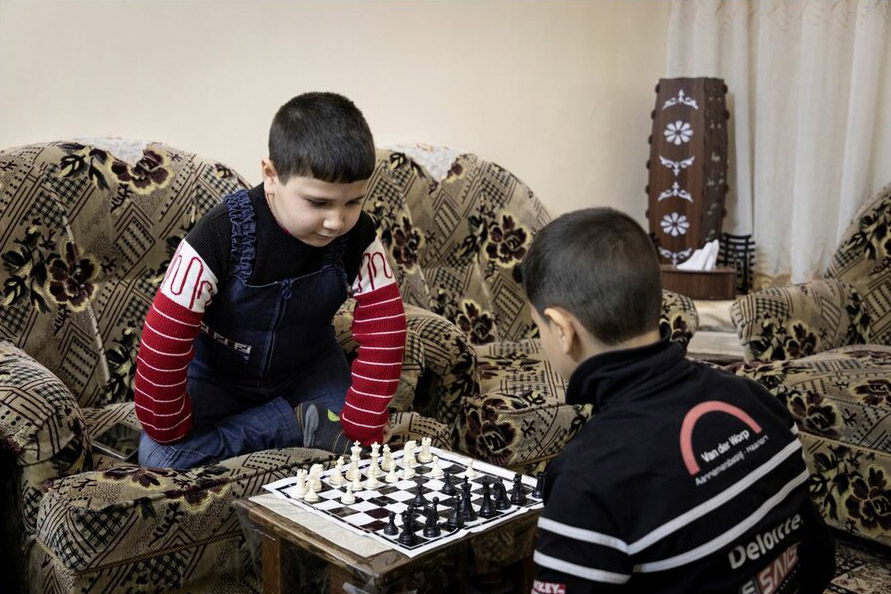
Youssef is the youngest of five siblings. Aged 8, he is one of 30,000 students in Aleppo who receive a fresh meal at school each day from the World Food Programme (WFP). These meals are made by more than 100 women – many of whom run female-headed households – taking part in a WFP project. “I want to become a computer engineer,” he says – a musculoskeletal condition he has means he cannot walk, though he is perfectly able to use a keyboard and play chess. He attends a school for children with disabilities that is supported by WFP through a project serving up meals to ensure they receive critical nutrition.
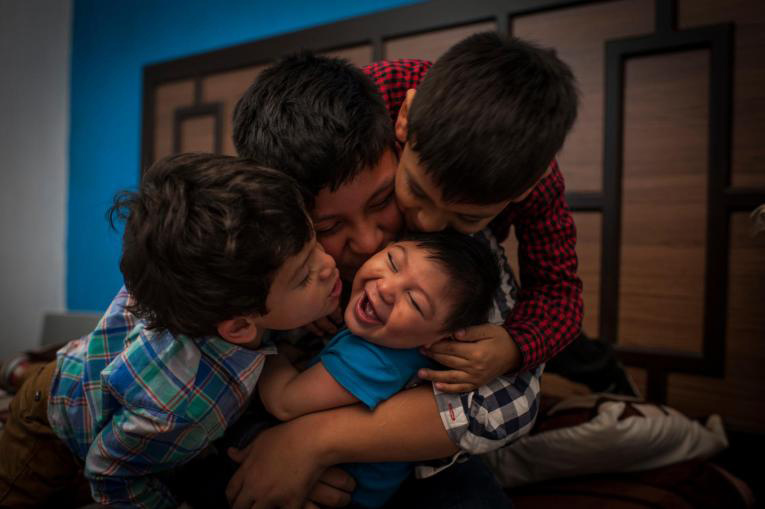
The number of children with disabilities globally is estimated at almost 240 million, according to UNICEF’s most comprehensive statistical analysis to date. “This new research confirms what we already knew: Children with disabilities face multiple and often compounding challenges in realizing their rights,” said UNICEF Executive Director Henrietta Fore. The report includes data from 42 countries and covers more than 60 indicators of child well-being – from nutrition and health, to access to water and sanitation, protection from violence, and education.

“When I could no longer pursue the dream of being an artist because my hands became too weak to hold a pencil, I needed [...] a new dream [...] that is, in itself, a gift to be able to [...] change direction and ask yourself, what else? That I still have my spirit. I still have my mind and I still have a deep desire and yearning for an extraordinary life. And I still want to be of service to humanity and the world.” In this episode of Awake at Night, we meet Eddie Ndopu; an award-winning disability activist from South Africa and one of 17 UN advocates for the SDGs. Diagnosed with spinal muscular atrophy and given only 5 years to live, he is now 30 and has dedicated his life to ensure that the voices of those at greatest risk of being left behind are being amplified and heard worldwide.
People who identify as living with disability represent 15% of the world’s population, which is currently around 1 billion people.