

In 2025, the global community notched important achievements for human well-being. But conflict, disasters and other crises clouded the skies over the development landscape. Against strong headwinds, countries took determined steps towards realizing their visions for a sustainable development. And the United Nations Development Programme (UNDP) was at their side. Marking its 60th anniversary, UNDP continued to evolve to meet the complex challenges of the present while laying the foundations for a more resilient future. Here are some snapshots from its work with partners, in 2025.
UNDP

In Nepal’s remote Nubri Valley, Tergar Charity Nepal, founded in 2018 by Yongey Mingyur Rinpoche, merges Indigenous knowledge with nature-based solutions to fight climate change. In 2021, the initiative tackled COVID-19-driven food shortages in Samagaun by building 62 bioclimatic solar greenhouses for year-round organic farming. Combining modern and traditional techniques, these earthquake-resistant structures improve food security and strengthen resilience against climate shocks.
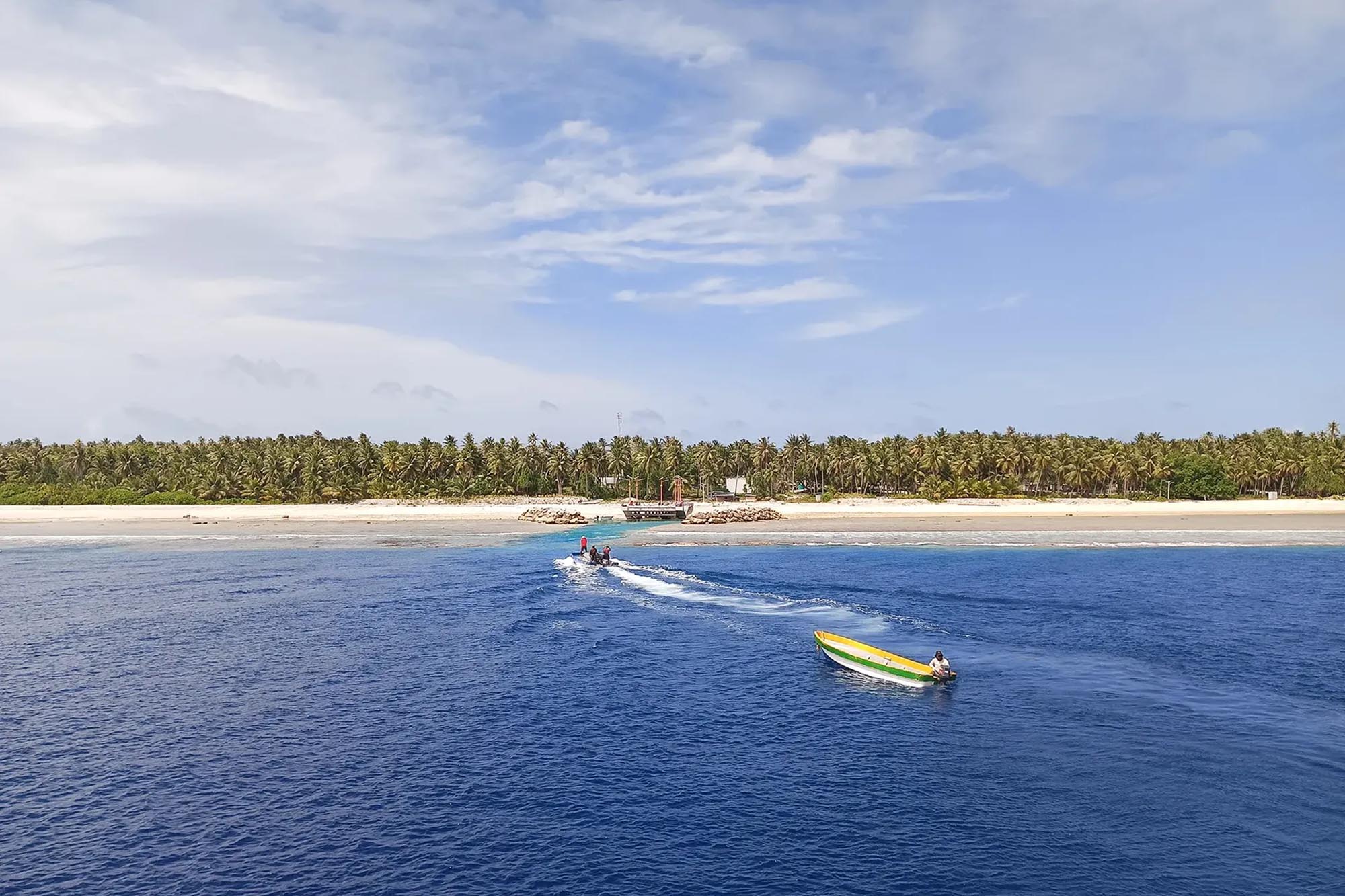
A key symbolizes the security of a home, while a phone with internet access opens the door to information. Financial tools like credit cards and cash enable access to food and services. For many living in poverty, violence, or disaster, these rights are hard-won achievements. Promoting and protecting human rights is vital for sustainable development. The United Nations Development Programme (UNDP) collaborates in over 60 countries and territories to strengthen national human rights systems and help states fulfill their obligations. By securing essentials like clean water and advocating for justice, UNDP demonstrates that human rights are essential for safety, equality, and respect in everyday life.

For the Seychelles, a small island developing state in the middle of the ocean, land is limited, and 200 years of human settlement has already seen significant impacts on both terrestrial and marine ecosystems. On the main island of Mahé, where 86% of the population live, land is being actively developed for tourism, agriculture, housing, and other human needs. The impacts of these demands can be seen and felt where today less than 5% of the original native forest remains intact. To reverse this damage and restore degraded land, the project ‘Ridge to Reef’, is working to improve tree cover and restore soil. Funded by the Global Environment Facility (GEF) and implemented by the Seychelles Government in partnership with UNDP, the 'Ridge to Reef' approach focuses on the connection between land and sea to address environmental degradation. Nelson Renaud, chairman of the Local Food Producers Association, says "By taking care of the land, we can grow food that will take care of our community."

The Imus–Ylang Ylang–Rio Grande Rivers in Cavite, Philippines were once-vibrant waterways that supported fishing, recreation, and livelihoods across ten municipalities. Decades of pollution, industrial and domestic wastewater discharge, improper waste disposal (especially plastics), erosion and siltation have transformed them into degraded rivers with severe water contamination. To revive the rivers, local governments, communities and agencies have introduced a mix of solutions. These include installing trash traps and waste-management systems upstream, building sanitary landfills, composting organic waste, reinforcing buffer zones along riverbanks, and deploying “river rangers” to manually remove plastic and other debris. Flood-risk management infrastructure — such as the 35-hectare Imus Retarding Basin and the nearby Bacoor Retarding Basin — has been completed to store excess rainfall and prevent overflow, reducing downstream flooding risk. Downstream, community-led reforestation and mangrove-restoration efforts aim to rehabilitate coastal zones and wetlands.
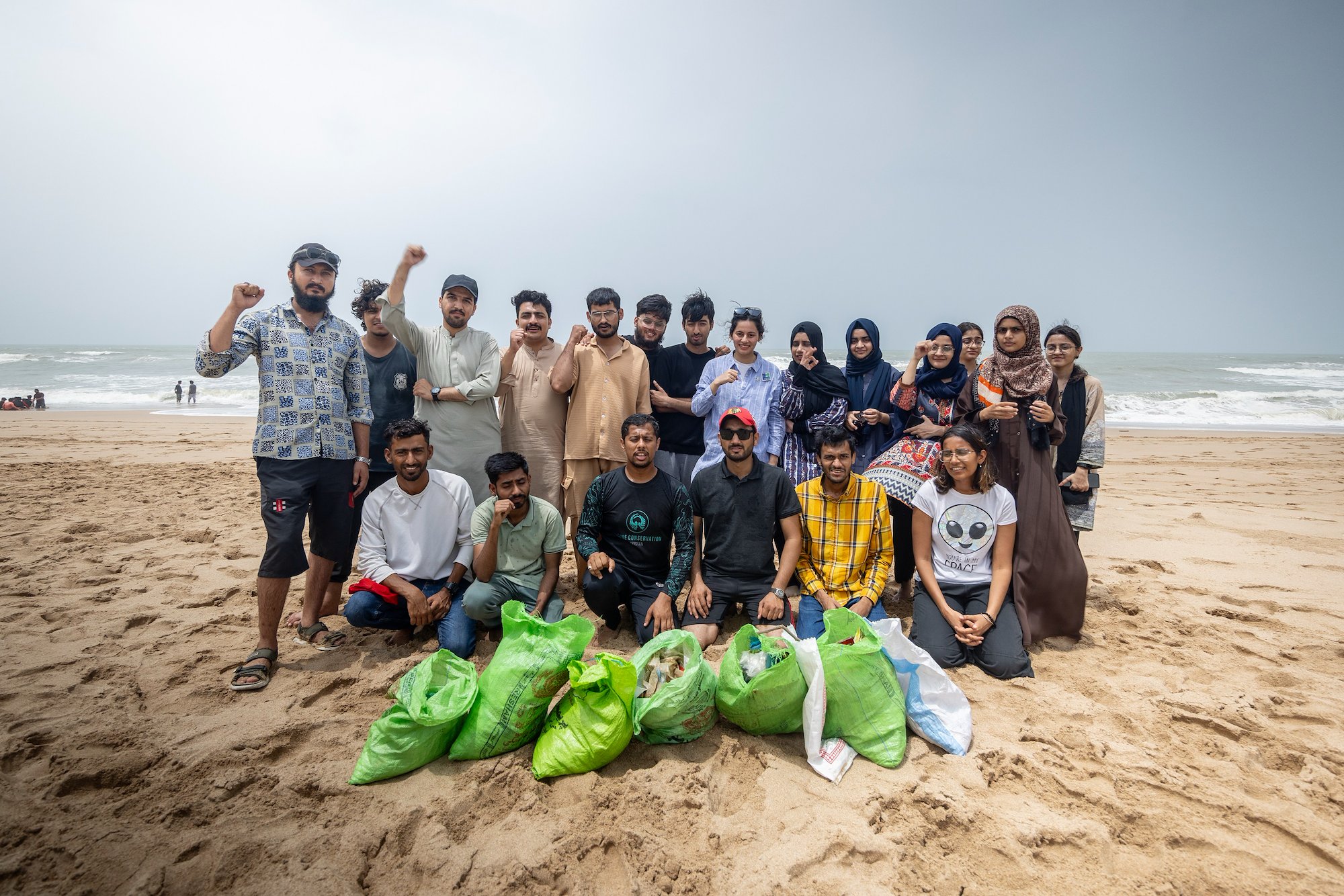
The world is heating. Inequalities are deepening. And yet, across continents, young people are stepping into the cracks of broken systems and reimagining what’s possible. While the world works to respond to the climate crisis, youth from around the world are showing what happens when youth are not just invited to the table but trusted to lead. This article introduces five of these young leaders: Sundus from Pakistan (seen here with her team that brings damaged reefs back to life), Elvis from Liberia, Luís from Bolivia, Pablo from Colombia, Specioza from Uganda. All of them, with support of Youth4Climate, are building new systems of food, energy, mobility and education, from the ground up. Their projects are different, but their experiences and drive are shared. What they show us is clear: when young people are trusted and supported with the right resources, they can drive meaningful and lasting change.

Climate change is impacting every aspect of our lives. Yet sometimes it can feel abstract or difficult to grasp. Numbers can help make it concrete. They give us a way to see the scale of the problem, the urgency of action and the promise of solutions. Climate Counts invites people around the world to explore 30 facts about the climate crisis that explain the urgency of action and the promise of solutions, while combating disinformation. From 1 to 30, each number highlights a powerful fact paired with an eye-catching visual, drawing attention to key areas – from energy, adaptation and finance to nature, gender, health and justice.

A child born in 1995 may have had better prospects than her parents, yet she faces contemporary challenges such as climate change and inequality. The Second World Summit for Social Development in Doha, Qatar, sought to address these issues by promoting inclusive social development. Leaders from various sectors engaged in dialogue and cooperation to confront deepening inequalities, climate-related hazards, and rapid technological change. The summit adopted the Doha Political Declaration, which emphasizes social justice, peace, security, and sustainable development. It identifies poverty eradication, decent work, and social inclusion as key pillars for progress.
In a world where the shadows of inequality loom large, the Multidimensional Poverty Index illuminates the complex tapestry of acute poverty affecting over 100 developing nations. The latest report examines climate hazards impacting 1.1 billion multidimensionally poor people, with 43.6% living in severe poverty, meaning they are deprived of 50 percent or more of the necessities of a dignified life. Children are disproportionately affected, with 27.8% facing multidimensional poverty, representing over half of the total. Most of the poor reside in countries with low or medium human development, with significant numbers in sub-Saharan Africa and South Asia. Notably, poverty also persists in middle-income countries, affecting millions.

In Brazil's Pajeú region, marked by inequality and historical struggles like the cangaço movement- groups of bandits who challenged the entrenched power of large landowners-, women played vital roles in resistance and community resilience despite being marginalized. Environmental challenges, especially water scarcity due to the degraded Pajeú river basin, compounded their difficulties. To combat these issues, the Community Association of Women from Bom Sucesso, with support from the GEF Small Grants Programme and UNDP, launched a project to empower women through sustainable agriculture and political participation. They constructed cisterns for rainwater harvesting, promoting female leadership and agroecological practices in their semi-arid environment.

As climate change drives more extreme weather, early warning systems are vital to protect lives and economies. These systems rely on climate information—data from sensors and stations—transformed into insights for forecasts and planning. Despite their proven value, investment remains low. Yet early warnings can cut damage by 30% and yield up to 10x returns. In sectors like agriculture and energy, better climate services could unlock over $160B annually in global economic gains.

Floods, cyclones, and wildfires devastate communities, but these disasters are shaped by human choices—where we build, how we farm, and what we invest in. Climate change amplifies these hazards, causing over $200 billion in annual damages and $2.3 trillion in total costs. The human toll is immense: displaced families, lost livelihoods, and stalled development. Yet, many governments spend less than 1% of budgets on disaster risk reduction. The choice is clear: invest in resilience or keep paying for disasters.

Peru is a leading producer of coffee and cocoa, ranking fifth and seventh globally, respectively. These crops are mainly grown by small farmers on the Andean slopes, supporting over 200,000 coffee and 100,000 cocoa families. Cocoa cultivation has been actively promoted as an alternative to illegal coca leaf production, leading to a significant expansion from 41,000 hectares in 2000 to 177,000 hectares today. However, both sectors face challenges like low competitiveness, poor sustainability, and limited access to training and financial services. Most family farms are small, and producers often rely on traditional practices, resulting in low yields and contributing to deforestation. High-quality producers are scarce, and market prices are volatile. Additionally, an aging population continues to bear the burden of agricultural labor in these communities.

The concept of Blue Voyage – or Mavi Yolculuk in Turkish – refers to a traditional sailing journey along Türkiye’s southwestern coast. In Türkiye’s Bodrum Peninsula, the “Blue Voyage” tradition faces threats from rapid tourism growth and coastal degradation. Once rich in marine life, Bodrum’s shores declined as seagrass meadows—vital carbon sinks and habitats—were removed. In 2023, marine biologist Mert Gökalp and the Underwater Research Society launched Project Posidonia with UNDP-GEF support, mapping 2,185 hectares of seagrass, identifying risks, and recommending marine protections. Beyond science, the project fostered community dialogue, waste and mooring reforms, and international collaboration.

Half of the global population is 30 years old or younger, making up the largest and most educated youth generation in history. Yet, young people continue to face systemic barriers to participating in decisions that affect their lives. Empowering this demographic is essential, not only to uphold their rights, but also as a global strategy to promote conflict prevention, social cohesion, and a sustainable future. Since 2022, with support from the UNDP’s Corredores de Paz (Peace corridors) programme and funding from Sweden, several youth-led proposals have been incorporated into the Cauca Development Plan, and young leaders have been elected as municipal councilors.