
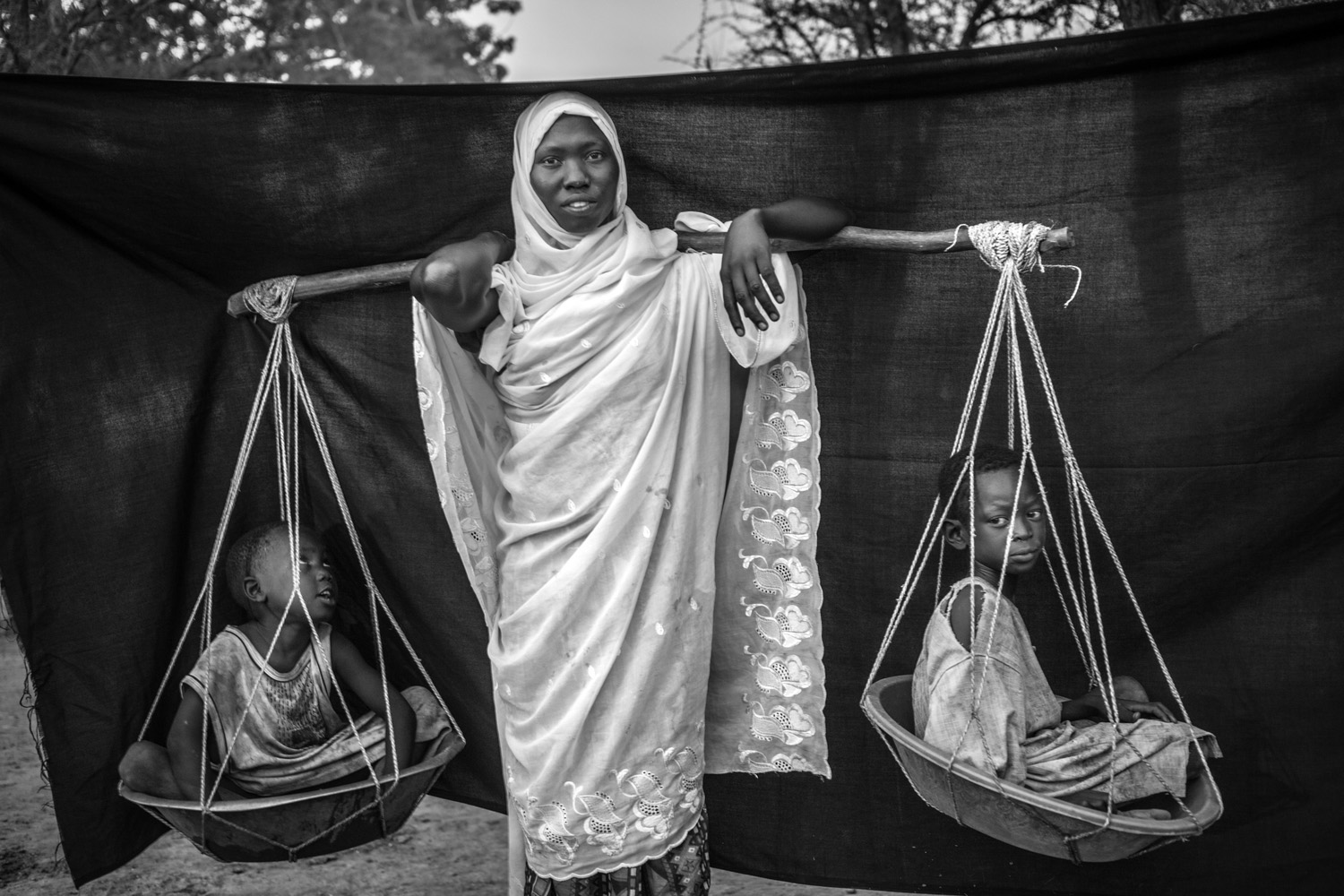
What would you bring if violence or persecution forced you to flee your country? The UN Refugee Agency has worked with photographer Brian Sokol on a refugee portraiture project called The Most Important Thing. Through images and interviews, it reveals some of the anguished decisions refugee families face when they are forced to flee their homes. The most important object Dowla was able to bring with her is the wooden pole balanced over her shoulder. She used it to carry her six children during the 10-day journey to Doro refugee camp in South Sudan.
UNHCR
UNHCR's global report found that by the end of last year, people displaced by war, persecution, violence and human rights abuses stood at 110 million.
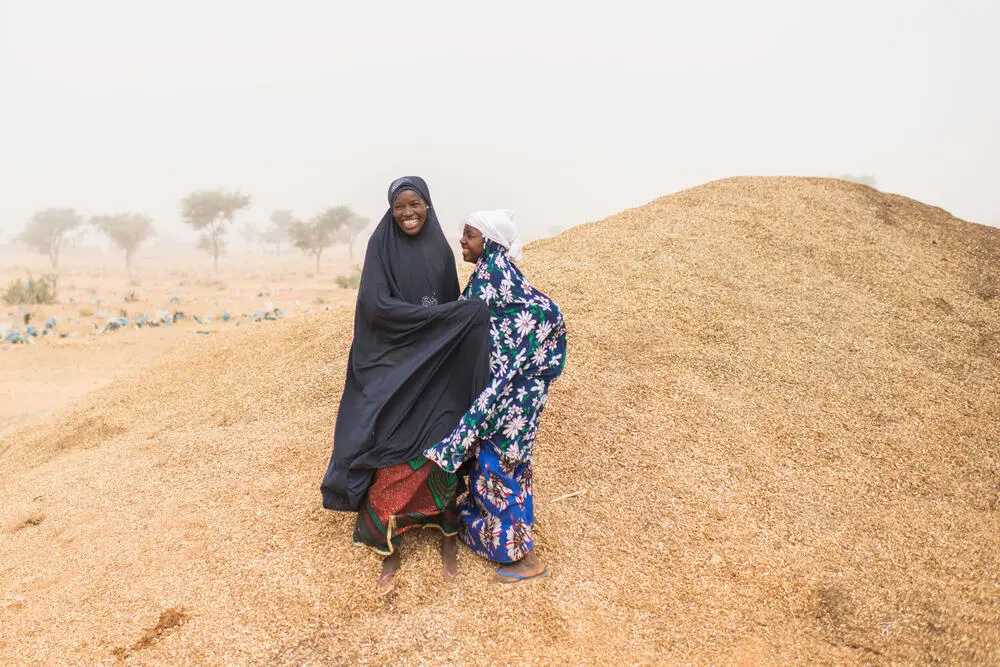
Garin Kaka is one of three "opportunity villages" that form part of an initiative by UNHCR, together with the Niger government and local leaders, to provide refugees with a more sustainable alternative to living in camps. After being relocated to Garin Kaka, Jamilla met Hamsou after joining the peanut oil cooperative, one of several income-generating projects in the village which UNHCR partner, Action pour le Bien Etre, helped to start up. Jamilla is the president of the cooperative of 20 refugees and local women who work together to produce peanut oil.
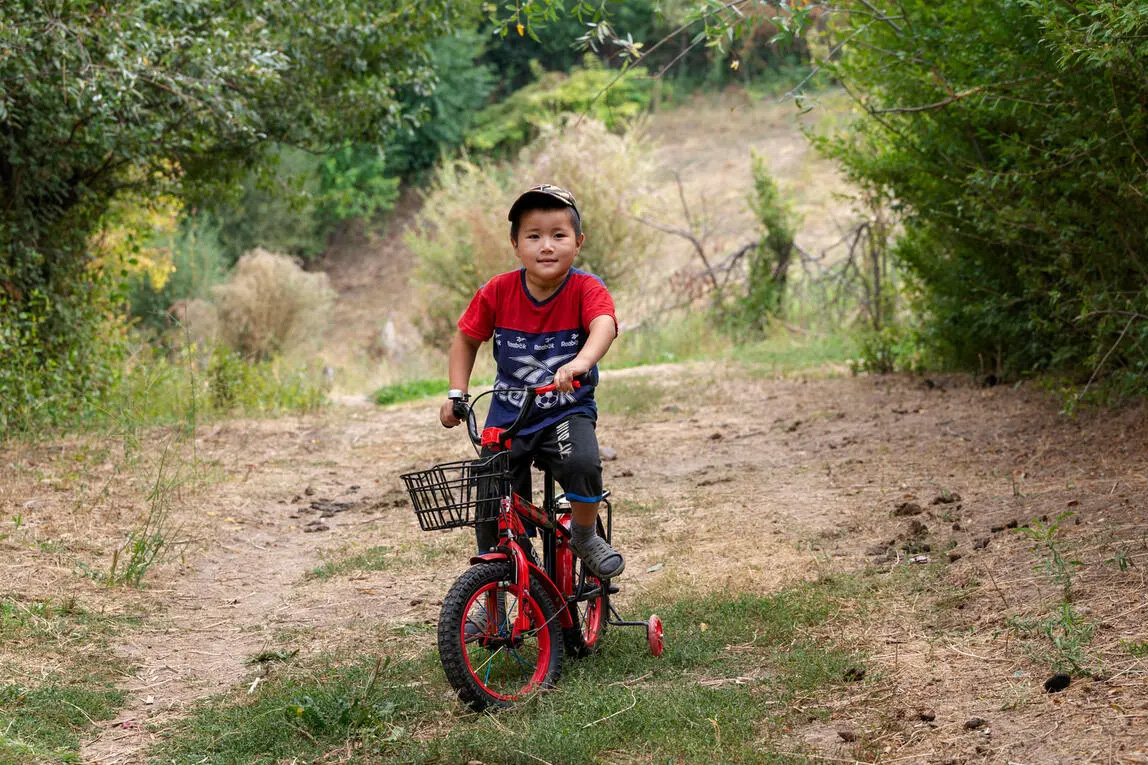
UNHCR welcomes a new law in Kyrgyzstan ensuring all children born in the country, regardless of parent status, will be registered at birth – a positive measure to prevent and resolve statelessness.
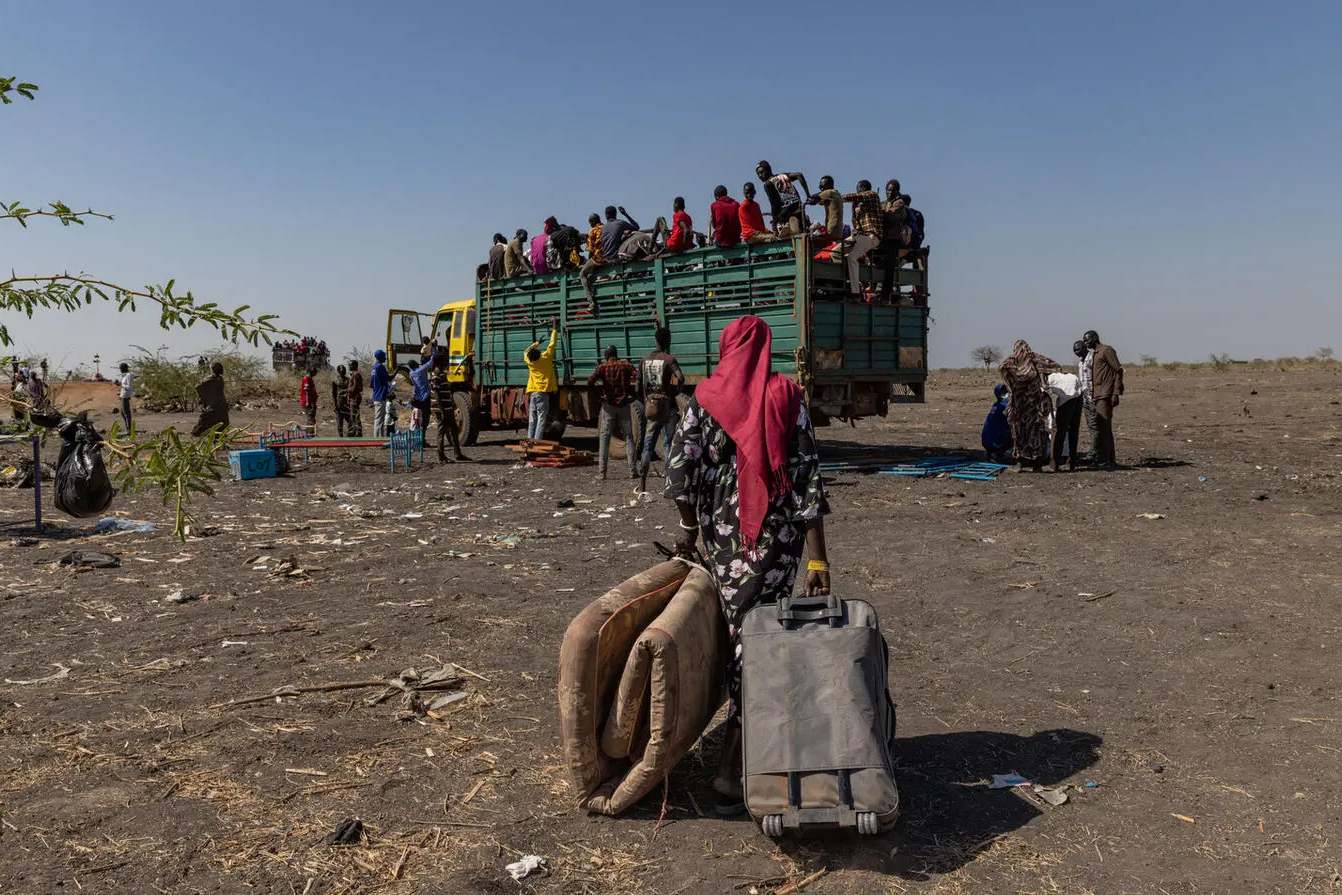
UNHCR explains how despite repeated calls for ceasefires, the fighting between two military factions that erupted in Sudan’s capital, Khartoum, quickly spreads to other parts of the country.
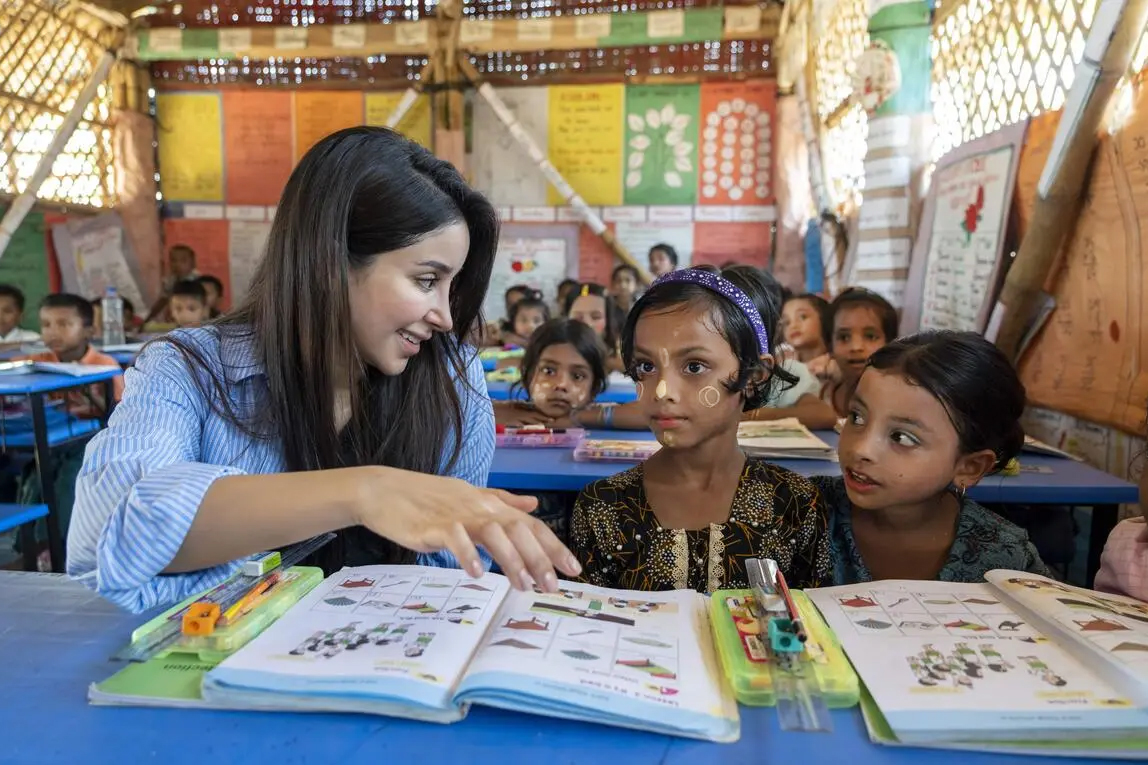
The UN Refugee Agency announced the appointment of renowned Saudi actress, singer and public figure, Aseel Omran, as UNHCR’s Goodwill Ambassador, becoming the first Saudi to take on this role.
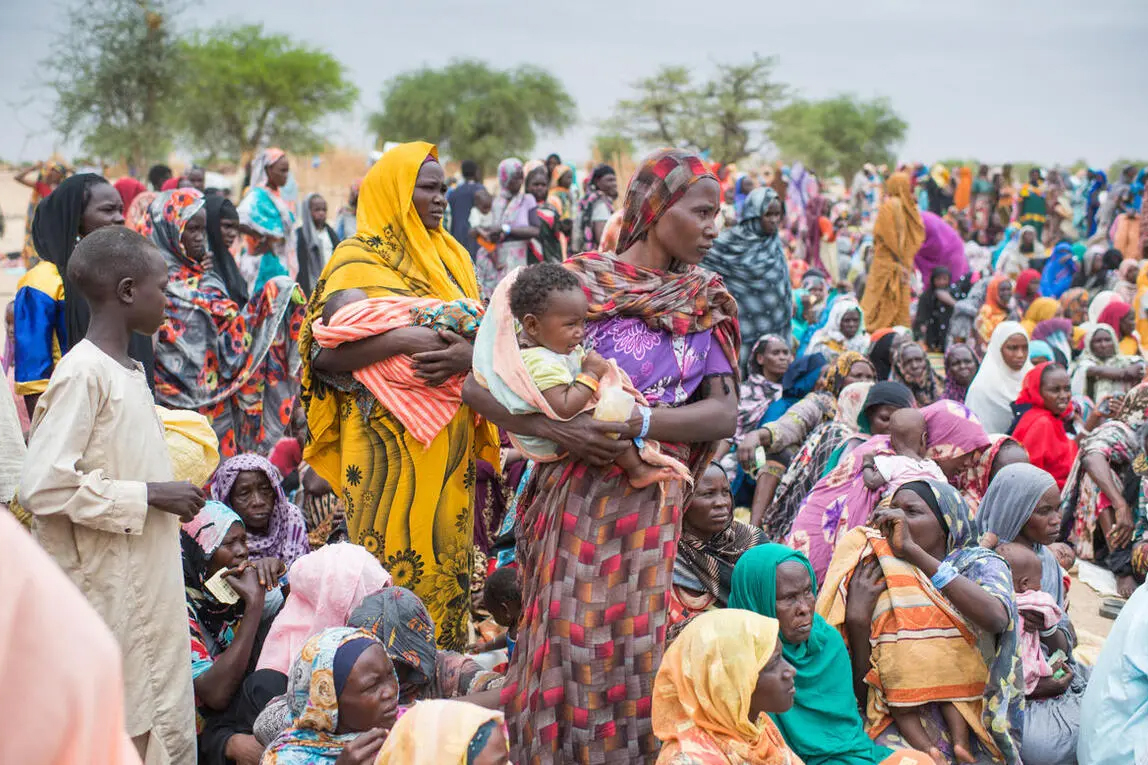
The UN Refugee Agency said today that it is planning for an outflow of 860,000 refugees and returnees from Sudan and, with partners, will require US$445 million to support the displaced until October. The updates were made in a preliminary summary of the inter-agency Regional Refugee Response Plan for Sudan, which was presented to donors today. It will primarily cover immediate support in Chad, South Sudan, Egypt, Ethiopia and the Central African Republic. The plan has been drawn up with 134 partners including UN agencies, national and international NGOs and civil society groups.
UNHCR gives young Venezuelans a second chance at their baseball dreams of one day going professional through providing uniforms, equipment and other needed support.
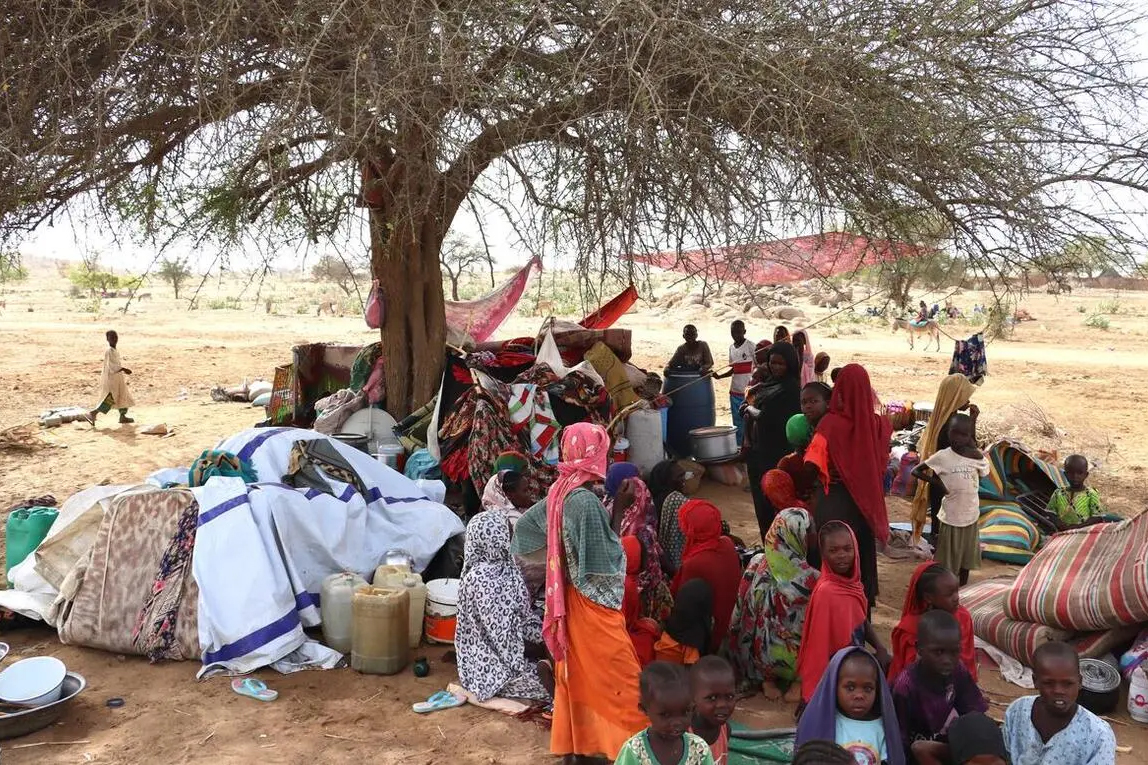
UNHCR is scaling up to assist people seeking safety in countries neighbouring Sudan, where the fighting looks set to trigger further displacement both within and outside the country. So far, the most significant cross-border movements in the region have been Sudanese fleeing to Chad, and South Sudanese refugees returning to South Sudan. While we have also received reports of people starting to arrive in Egypt, exact numbers are not available at this point. UNHCR is working closely with partners and governments in the region to assess the needs of the newly arrived towards a joint response.
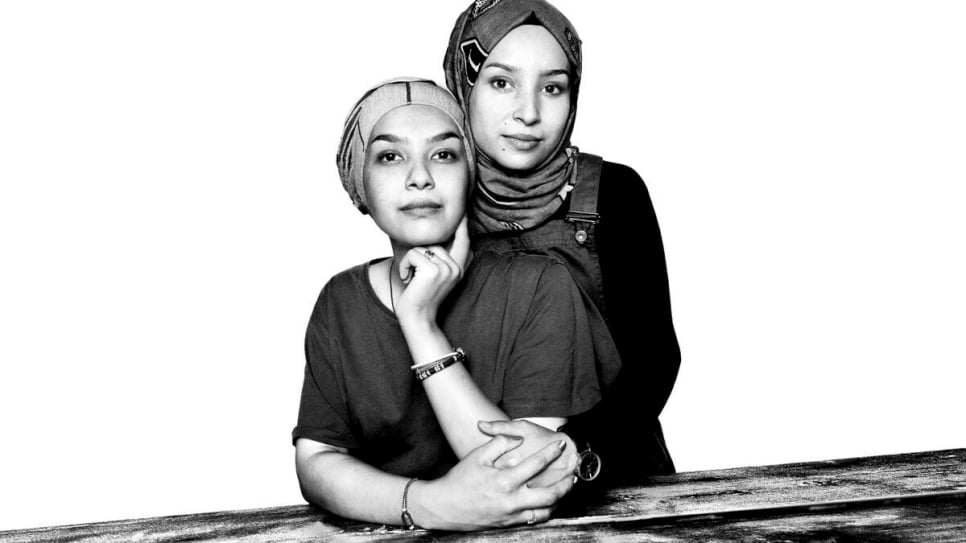
Portrait of a Stranger, a creative multimedia collaboration between world-renowned photographer and storyteller Platon and UNHCR debuts in partnership with a human rights film festival in The Hague.
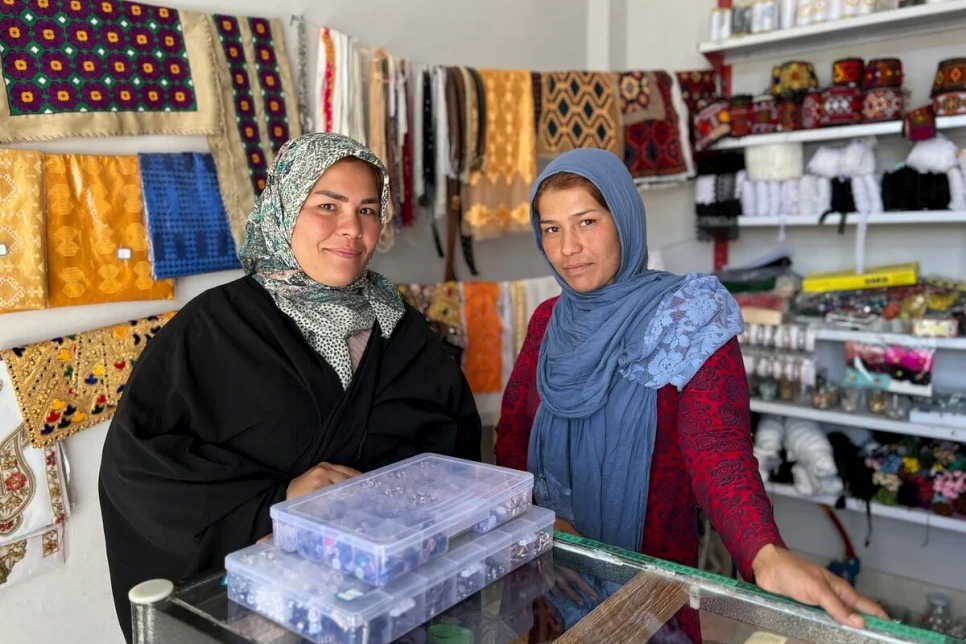
Just a few months ago, a women’s business centre supporting female traders, was bustling with people. Today, it’s silent. UNHCR plans to distribute tablets to conduct online teaching.
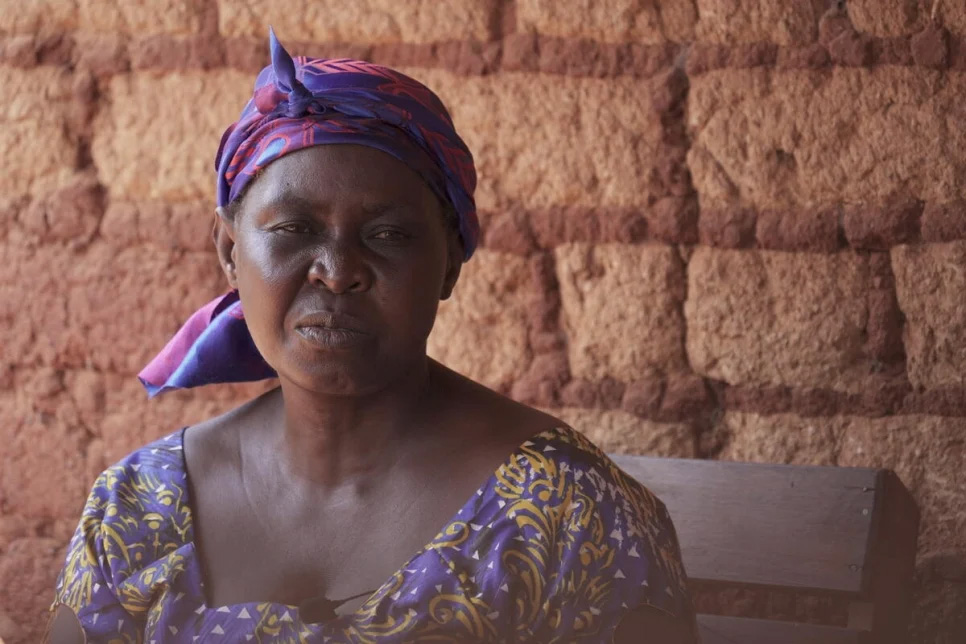
Like so many forced by conflict to flee their homes, Clarisse Nina Renessio dreams of returning. Now, five years after fighting first reached her village in the Central African Republic, that dream is close to becoming a reality. Last year the UN Refugee Agency, facilitated the return of 800 people from PK3, a camp for displaced people outside the city of Bria where 33,000 people live. This initial relocation, mostly to previously unsafe neighbourhoods of the city, came after repeated surveys showed that most households at PK3 wished to return to their original homes.
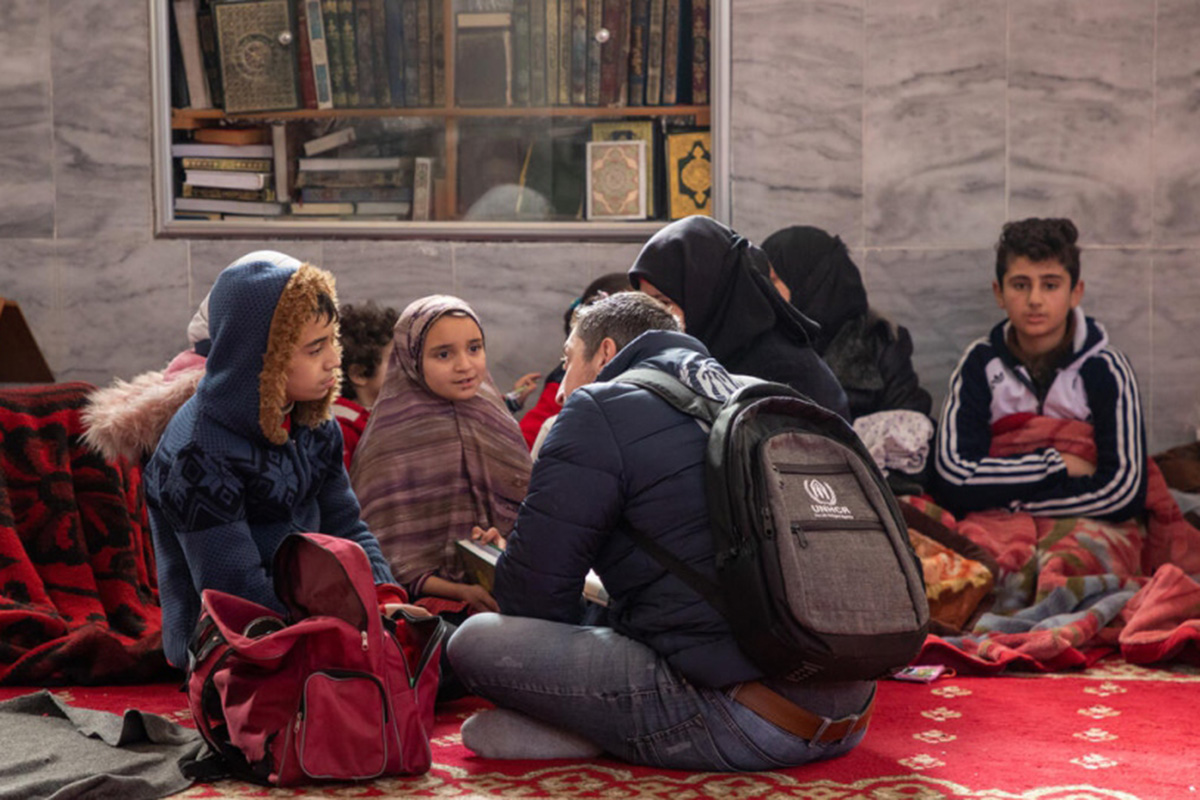
In a covered marketplace in Aleppo’s historic Old City, families sit crammed inside the small retail units, huddled together for warmth and bundled in layers of clothes and thermal blankets. They arrived here in the aftermath of the devastating earthquakes that struck southern Türkiye and northern Syria. The families now living in the hastily organized shelter in Aleppo’s Al-Harir souq are here because they have nowhere else to go, unable or too afraid to return to homes damaged or destroyed in the earthquakes. UNHCR was able to deliver much-needed aid to those sheltering in the mosque.
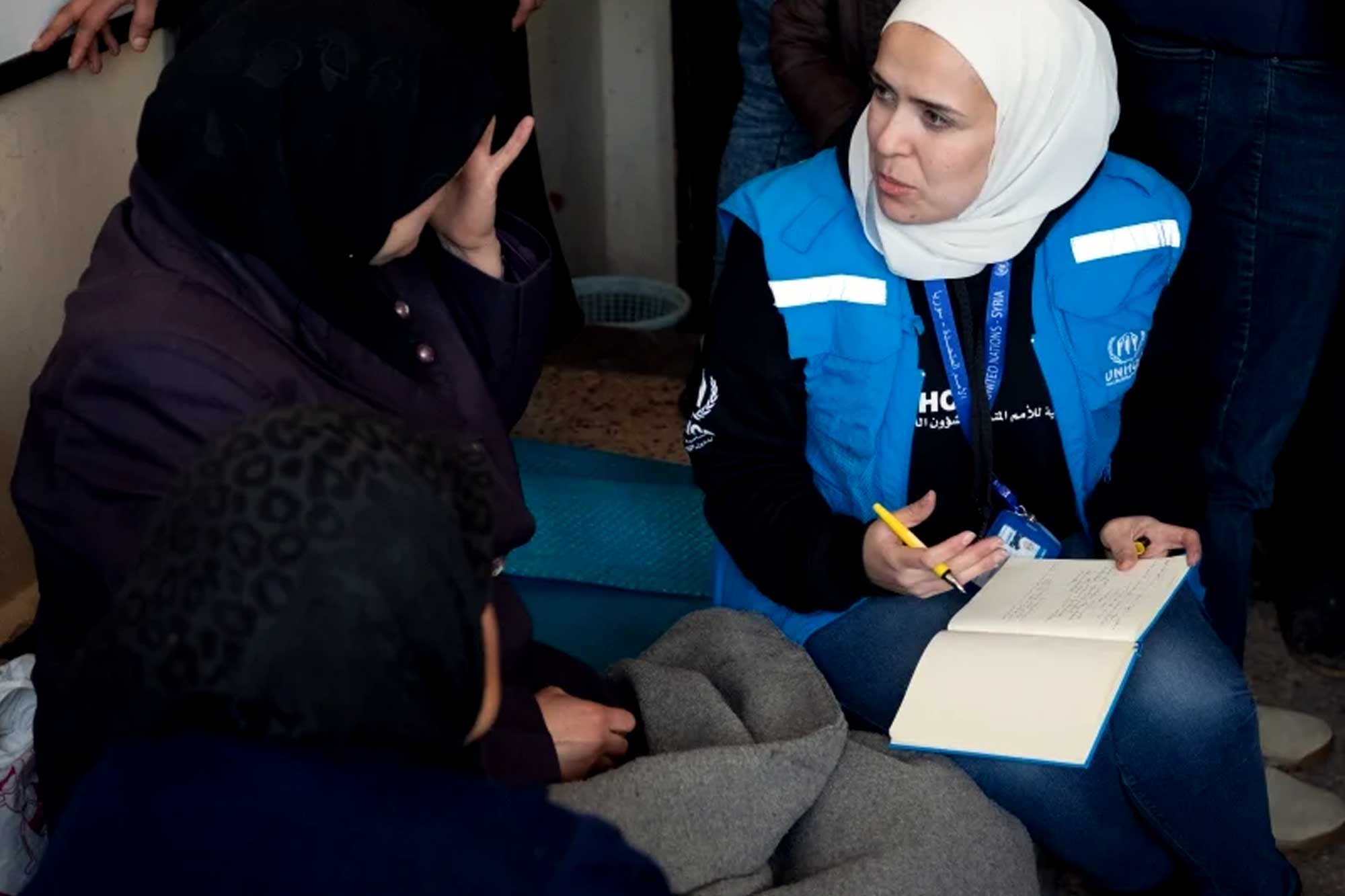
UNHCR is on the ground providing life-saving assistance to families affected by the disaster. Humanitarian partners are working hard to reach all amidst challenging circumstances.
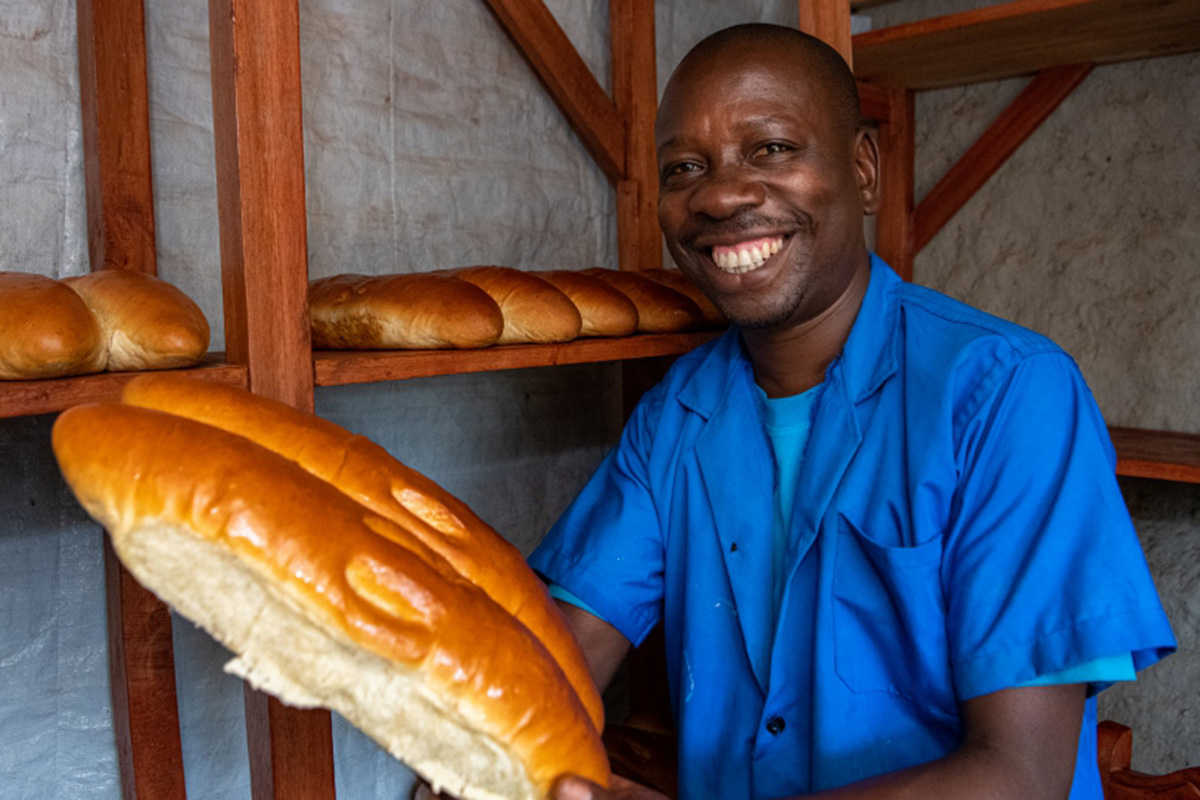
Shebulike and his family fled the violence in the east of the Democratic Republic of the Congo after surviving two attacks by armed men invading their home. A few months after arriving in Burundi, Shebulike realized that he needed to provide for his wife and seven children and keep himself busy, so he fell back on his profession as a baker. “Rather than sit idle and depend entirely on the help we receive from the UN Refugee Agency and other humanitarian organizations, I found it useful to roll my sleeves up and get to work on the thing I know best.”