
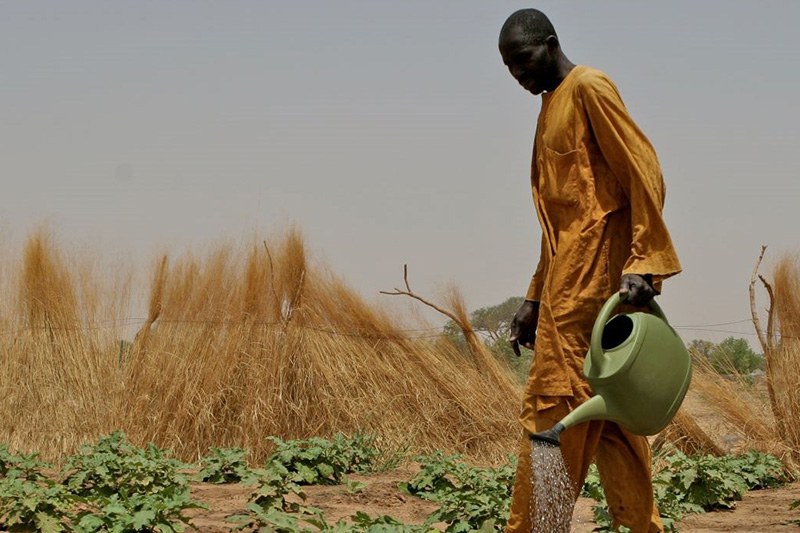
Even as climate change takes hold, IFAD believes it’s possible to transform rural economies and food systems to make them more resilient, sustainable and inclusive, while also making them more productive and investment in small-scale farmers is key.
IFAD
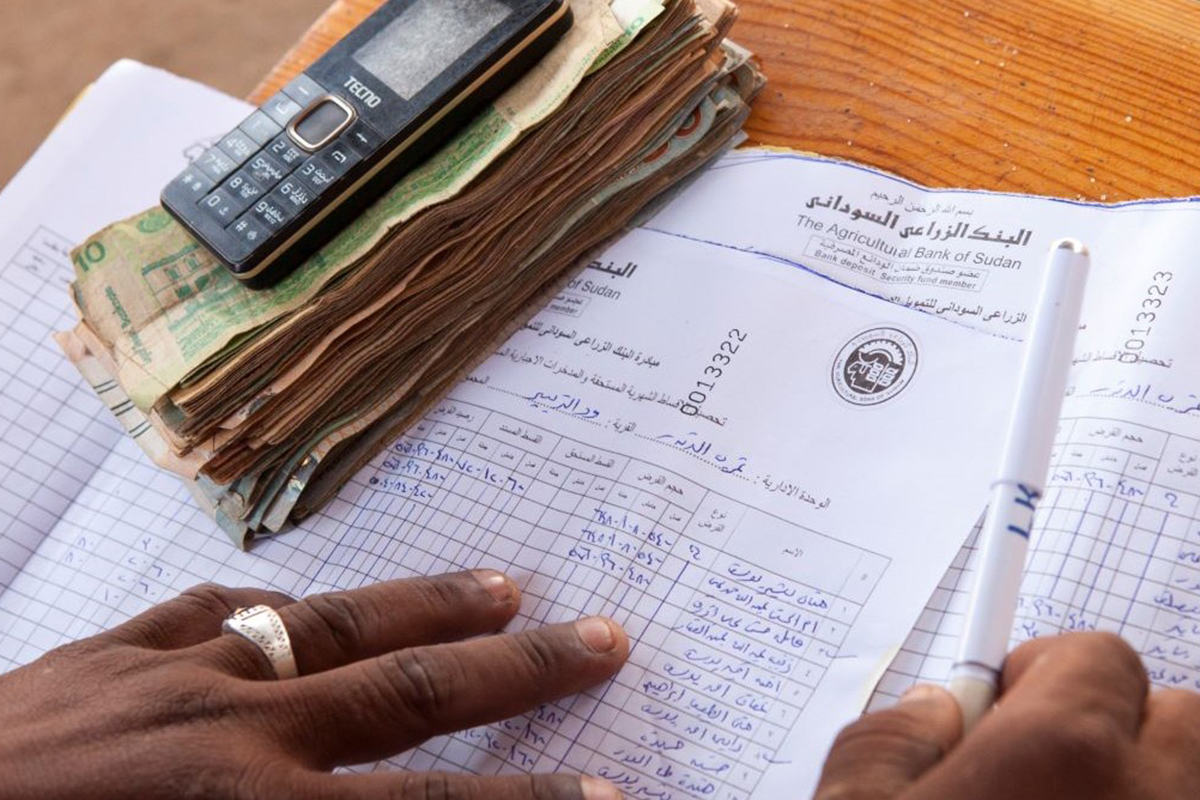

Staple crops in eight African countries could decrease by as much as 80 percent by 2050 in some areas if temperatures continue to rise due to climate change, according to a report released today by IFAD. This could have a catastrophic impact on poverty and food availability unless there is an urgent injection of funding to help vulnerable farmers adapt how and what they farm. The organisation warned that COP26 will fail to achieve a lasting impact if world leaders continue to prioritise mitigation and neglect investments in climate adaptation.
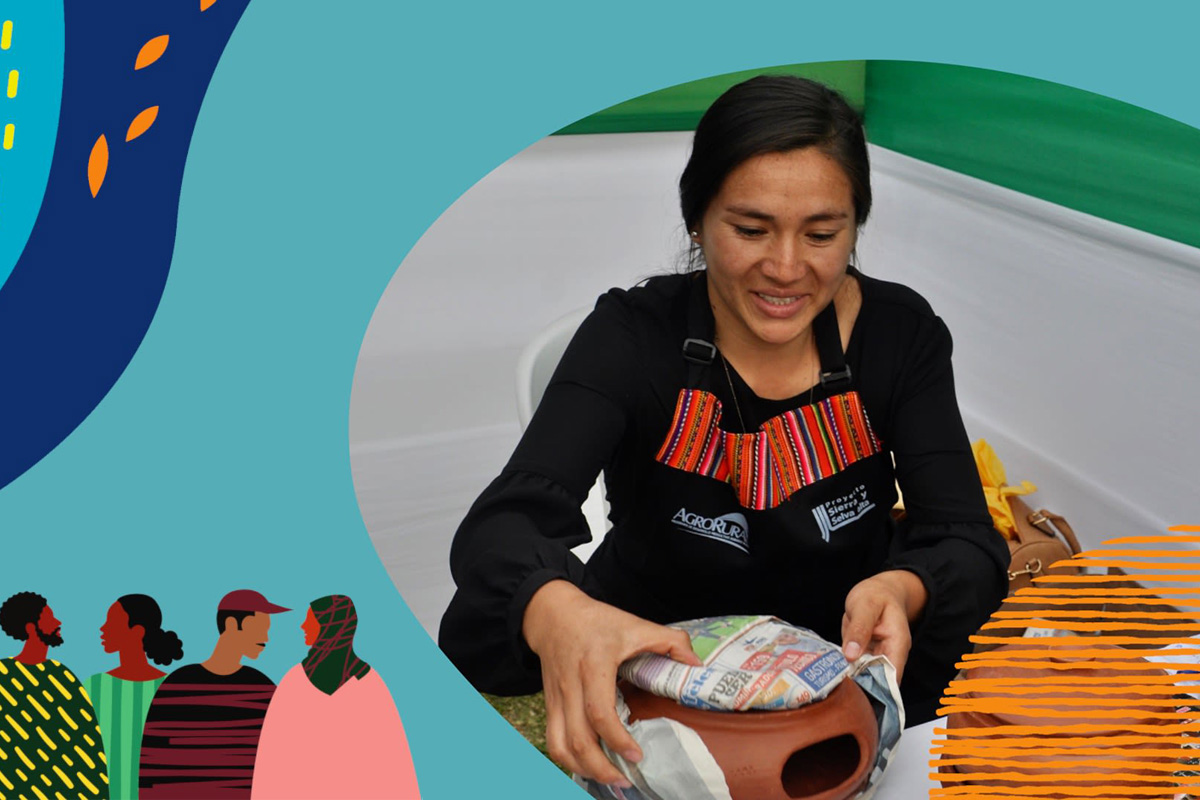
When it comes to the changes we need to make to our food systems, rural small-scale farmers are the on-the-ground experts. IFAD presents the people at the heart of our food systems.
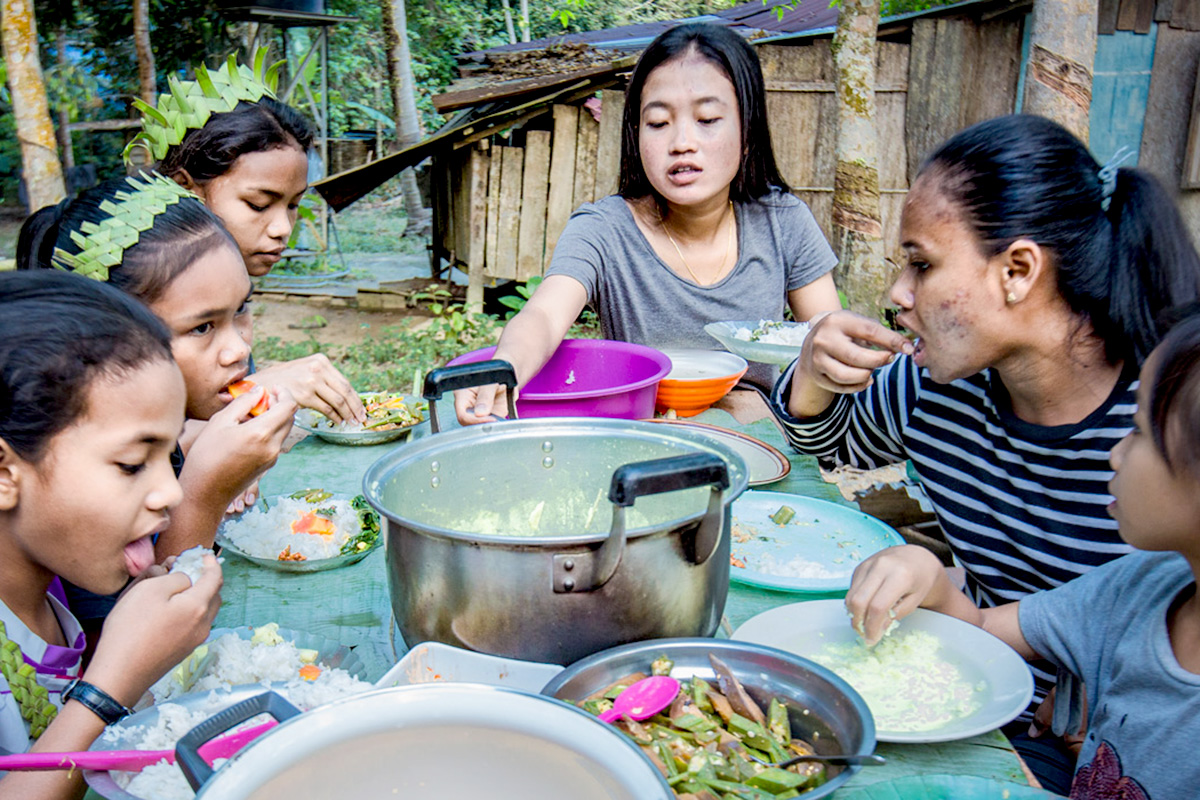
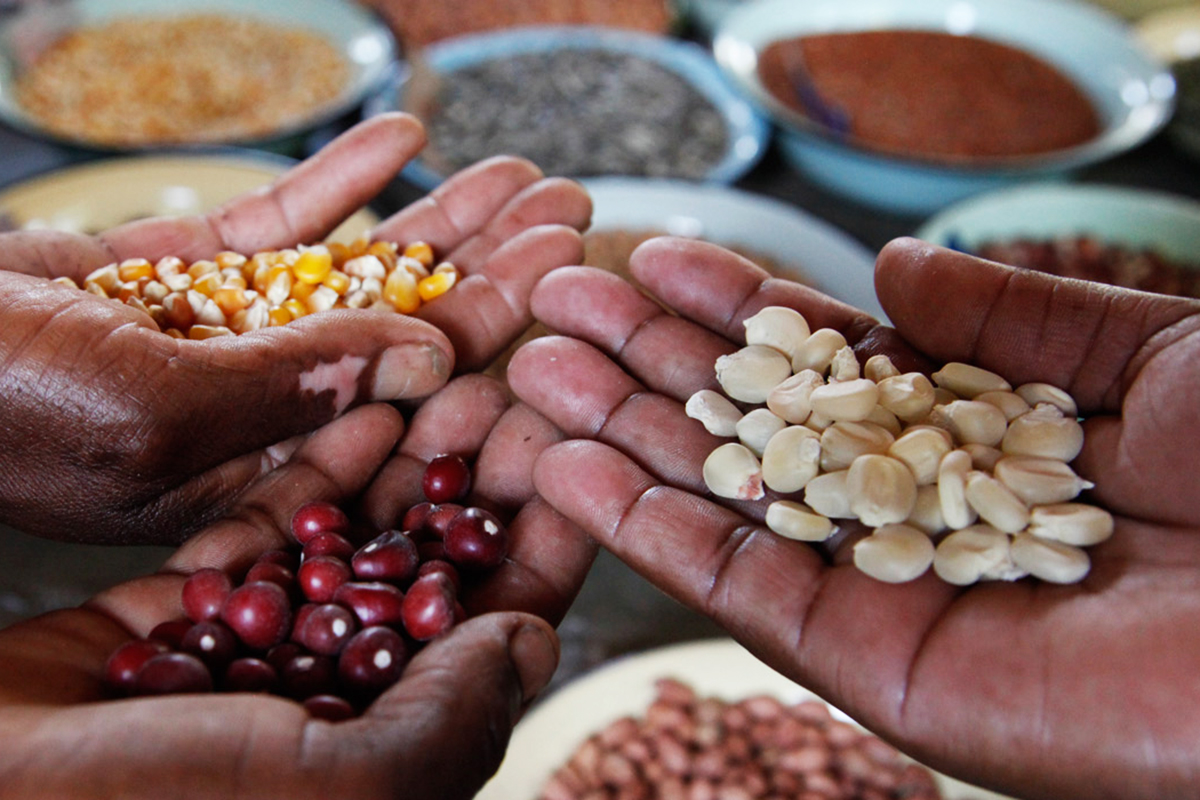
IFAD works with rural and indigenous communities that hold valuable knowledge of species that are adapted to local environments and contribute to providing more diverse and nutritious diets.

We celebrate the sacrifice of migrant workers, who support their families and communities of origin through the money they send back home, particularly in these times of crisis. Over 200 million migrants defied predictions and continued to send money to their countries of origin throughout the pandemic.
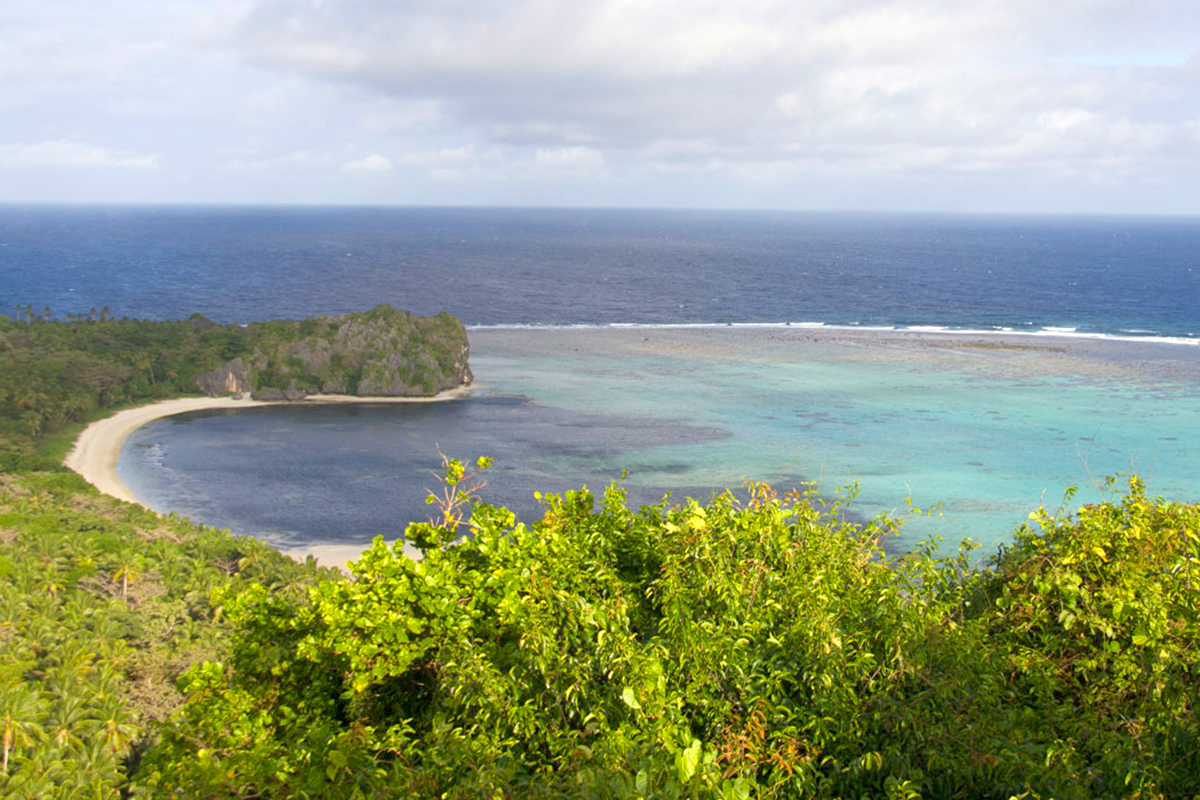
In this month’s episode, IFAD celebrates World Environment Day through developments protecting the environment; Africa Climate Week and innovations from East and Southern Africa; and the International Day of Family Remittances, a day celebrating a vital source of funding for people living in rural communities in the developing world.
Other features include a new report on nature-based solutions in agriculture, the environment as inspiration for a UN Human Rights Champion, the changes to environmental policies in Afghanistan and organic farming in China, and a new group called Chefs 4 the Planet.
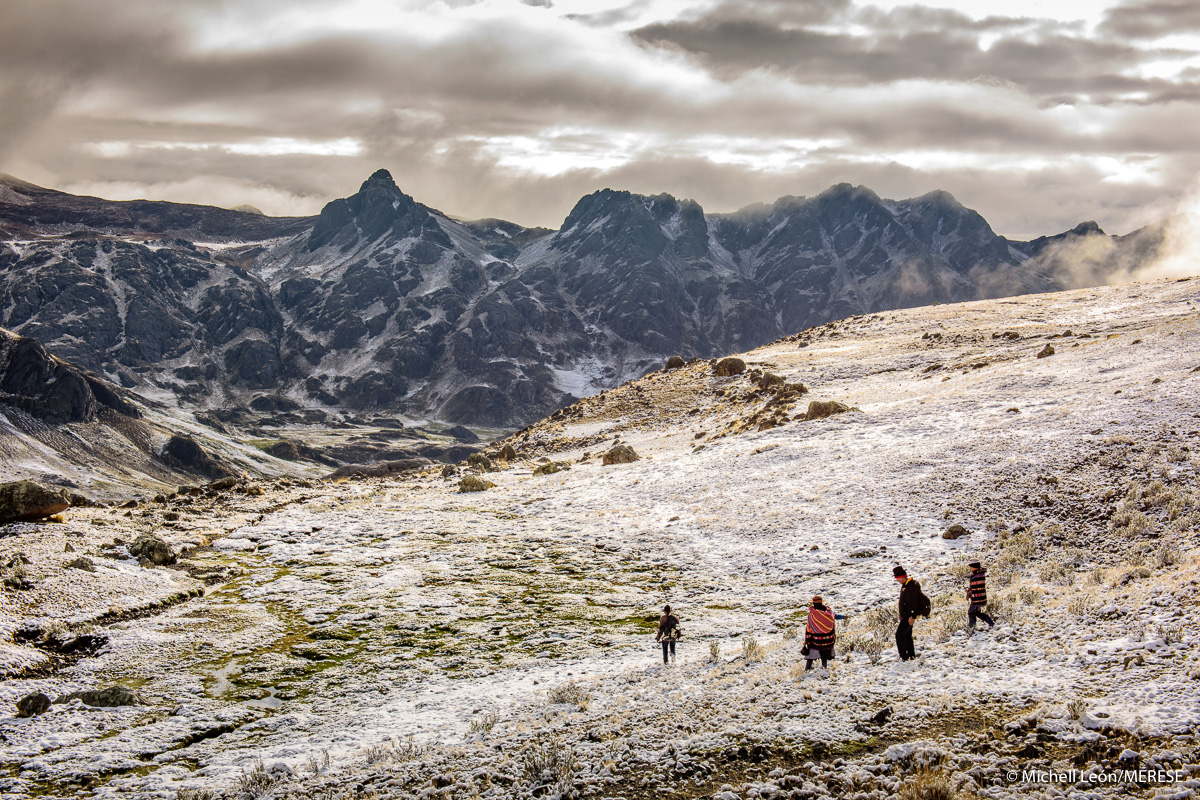
IFAD has invested US$1.6 million to work with community groups as they restore and conserve nearly 15,000 hectares of native forest, grasslands, and high Andean wetland habitats. Their actions will include reforestation with native species, fencing and sustainable use of grasslands, and installation of barriers throughout the wetlands. Through Compensation for Ecosystem Services systems, downstream users of ecosystem services remunerate the upstream rural populations who maintain them.
Guatemala has the fourth highest rate of malnutrition in the world where over 50 per cent of children under five are stunted. Many children do not get enough nutritious food, and often came to school hungry. IFAD teamed up with WFP and FAO to set up a food chain that enables local farmers to provide fruit and vegetables for school meals.
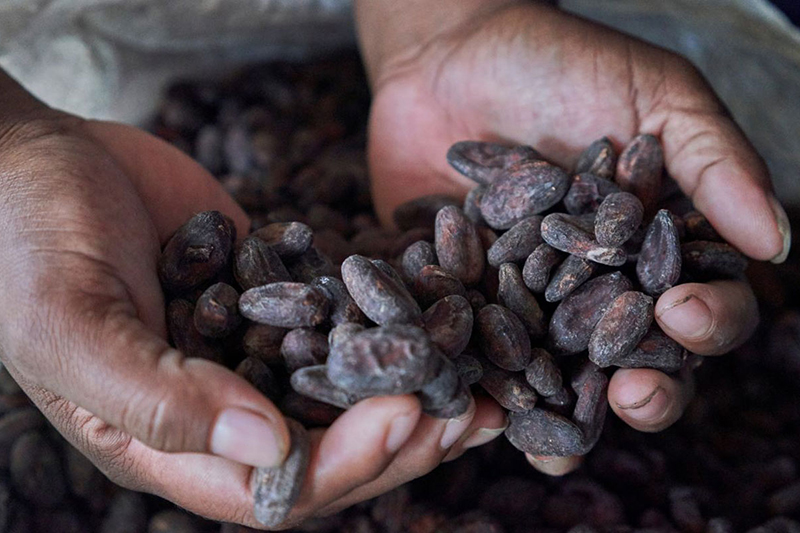
Coffee and chocolate can do much more than give us a boost of energy in the morning. For the last seven years, the NICADAPTA project, financed by IFAD, has improved the incomes and quality of life of more than 45,000 families in Nicaragua through the sustainable development of coffee and cocoa production. NICADAPTA works closely with producer cooperatives and their members, many of them women and youth, to help them access lucrative coffee and cocoa markets and increase their resilience to climate change.
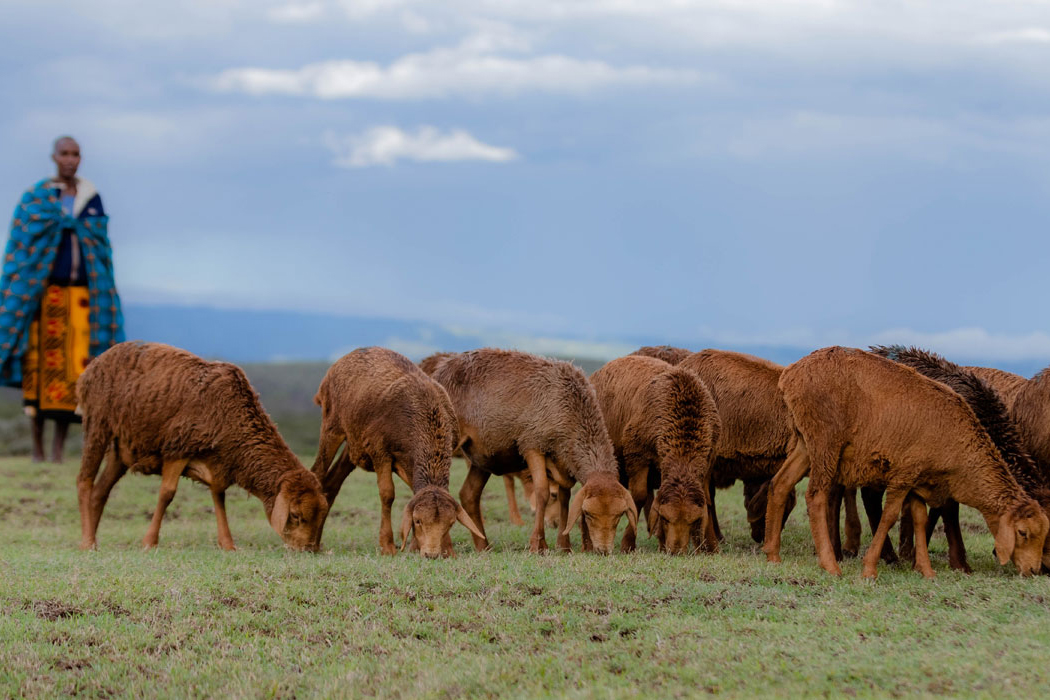
The Maasai of Kenya and the Red Maasai sheep slow food presidium
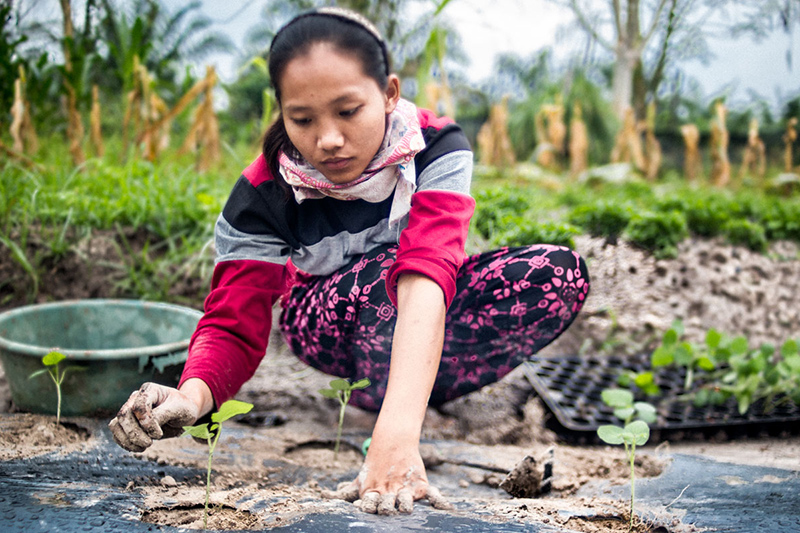
Advancing equitable livelihoods requires building the agency of the underrepresented: those who lack the space or the enabling environment in which to exercise their power and rights. It implies protecting and strengthening their capacities, along with the knowledge, resilience and innovation that they possess. The UN Food System Summit’s Action Tracks offer a space to share and learn, with a view to fostering new actions and partnerships and amplifying existing initiatives. Each of the five Action Tracks is aligned with one of the Summit’s five objectives.

Growing olive trees in Jordan, one of the driest countries in the world, isn’t easy. IFAD’s work in Jordan focuses on increasing the agriculture sector’s contribution to national GDP by creating jobs. This empowers rural people – especially women and youth – to turn their farming into sustainable, profitable small businesses. Local programmes help small-scale farmers become more resilient to the effects of climate change and other risks to their production, as well as on facilitating access to financial services and markets.

Access to accurate and timely information is crucial for farmers all around the world, and even more so during the COVID-19 pandemic. Many farmers rely on digital services, especially those delivered through platforms accessible via mobile phones, to access this information. But for many small-scale farmers in rural and remote areas, this kind of access remains a challenge. Last spring the Kenya National Farmers’ Federation (KENAFF) created a mobile phone–based information service as a way to respond to the crisis and keep farmers better informed.