
Grasping the extent of food waste through robust measurement, as highlighted in the Food Waste Index Reports, is crucial for catalyzing essential action and progress towards achieving SDG 12.
Pollution and Waste

Global Methane Forum emphasizes urgent action to convert commitments into tangible reductions in methane emissions, crucial for achieving the Paris Agreement's 1.5°C target by 2050.
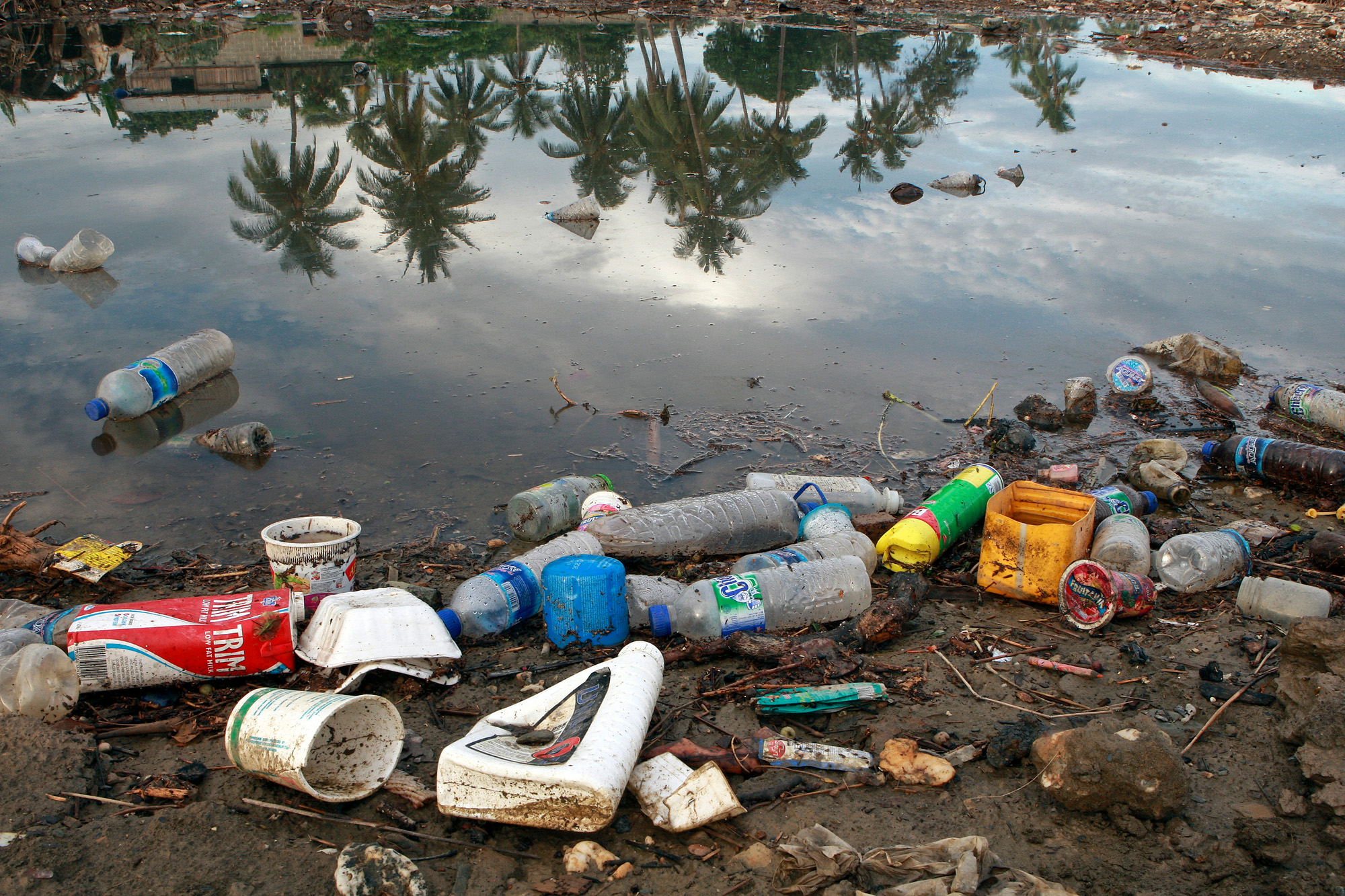
Humanity's unsustainable production and consumption patterns are driving the planet toward destruction. Households, small businesses and public services generate more than 2.1 billion tons of municipal solid waste each year. Yet the world's waste management services are ill-equipped: 2.7 billion people have no access to solid waste collection and only 61-62% of municipal solid waste is managed in controlled facilities. The International Zero Waste Day (30 March) highlights the critical need to strengthen waste management globally and promote sustainable production and consumption practices.
The International Atomic Energy Agency launched its first scientific research expedition to investigate the presence of microplastics in Antarctica as part of efforts to combat this growing environmental problem, even in the planet’s most remote areas.

The excessive release of nutrients like phosphorus from sources such as synthetic fertilizers, has plagued Florida's beaches, underscoring the urgent need for global cooperation to reduce nutrient pollution.
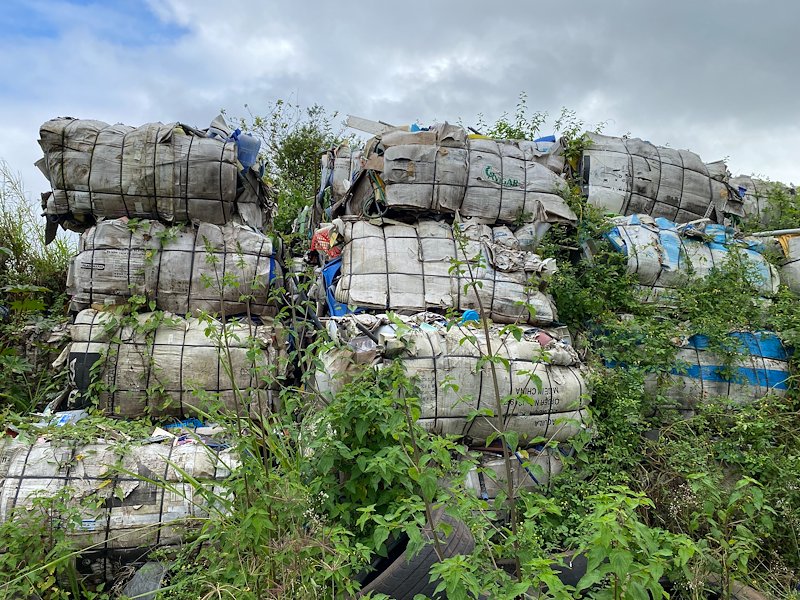
Galapagos Islands has implemented selected innovative solutions for waste management in order to preserve its open-air biological museum status.
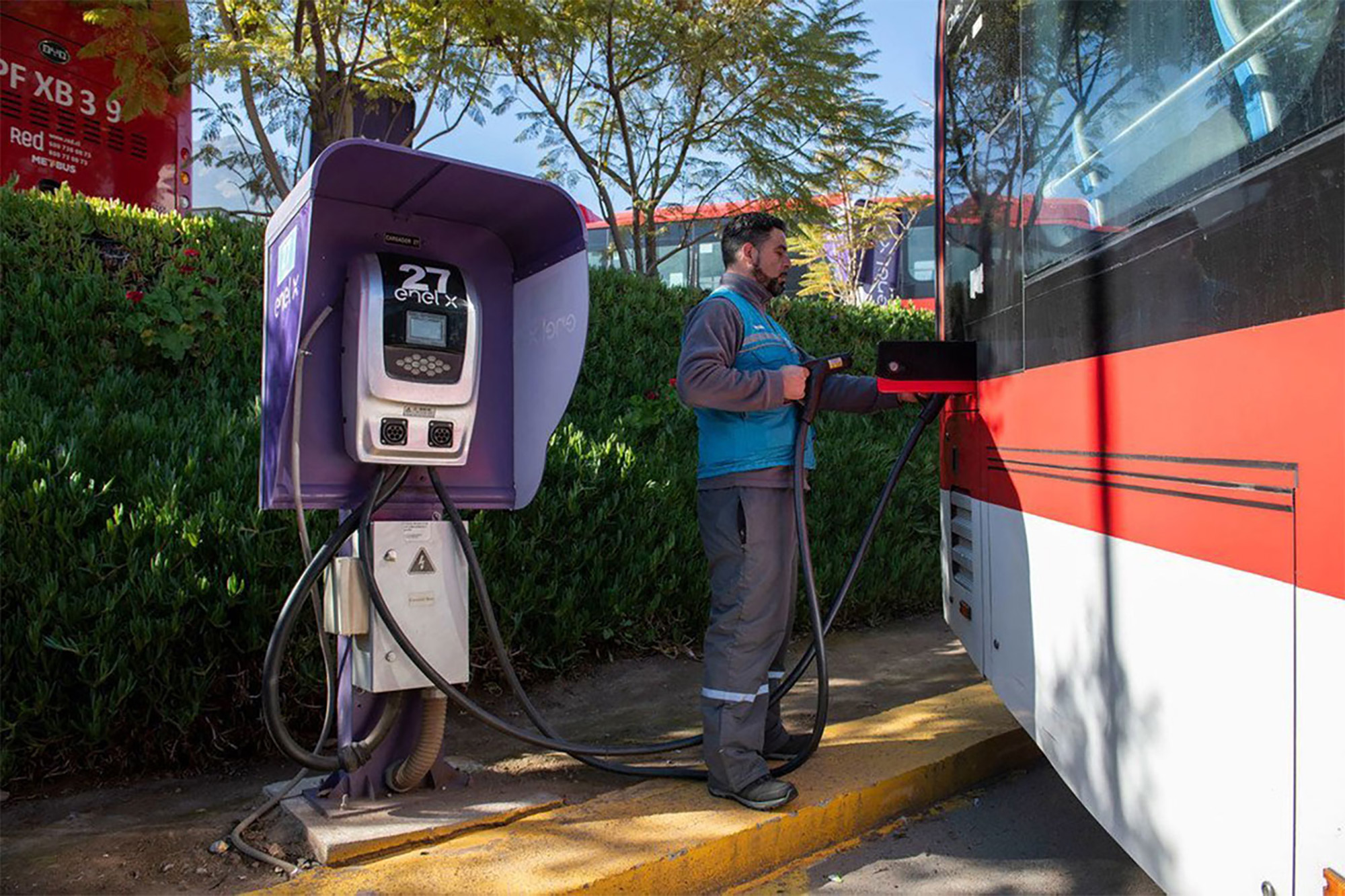
Global regulators will ignite discussions on the future of vehicle safety and emissions at the upcoming session of the Working Party on Pollution and Energy in Geneva (9-12 January). The Working Party on Pollution and Energy is one of the subsidiary bodies of the UNECE's World Forum for Harmonization of Vehicle Regulations, which is responsible for setting global automotive standards for vehicle safety and emissions. Follow the UNECE's website for updates on the Working Party's progress and to learn more about its work in shaping the future of environmentally friendly transportation.

The concentration of heat-trapping greenhouse gases in the atmosphere reached a new record level last year. This is part of an upward trend with no end in sight, according to the World Meteorological Organization (WMO). The UN agency’s latest Greenhouse Gas Bulletin compares the gas concentration levels with the previous year and with preindustrial levels. It warns that the rising concentration of greenhouse gases in the atmosphere will lead to a rise in temperature, extreme weather conditions, and a rise in sea levels.

The United Nations Environment Programme has recently announced the 2023 Champions of the Earth, the UN’s highest environmental honor. This year's award honored a city mayor, a non-profit foundation, a social enterprise, a government initiative and a research council for their innovative solutions and transformative action to tackle plastic pollution. Since its inception in 2005, the annual Champions of the Earth award has been given to trailblazers at the forefront of efforts to protect people and the planet. Including this year’s five Champions, the award has recognized 116 laureates: 27 world leaders, 70 individuals and 19 organizations.
Lewis Pugh, UNEP's Patron of the Oceans, has completed a 507km swim down the United States’ Hudson River to emphasise the urgent need to protect the world’s waterways. Despite the physical pain of the swim, he was motivated by the extraordinary biodiversity he saw and it stiffened his resolve to keep advocating for damaged marine ecosystems across the globe. He chose the Hudson to highlight successful efforts to clean the river in recent decades and encourage other countries to adopt similar efforts in some of the world's most polluted waterways.

The world is inundated by plastic. More than 400 million tonnes of plastic is produced every year, half of which is designed to be used only once. Less than 10% is recycled. An estimated 19-23 million tonnes end up in lakes, rivers, and seas. What is less known is that microplastics find their way into the food, water, and air we consume. The good news is that we have science to tackle the problem. This World Environment Day let’s find solutions to plastic pollution. Join our campaign #BeatPlasticPollution.
Moored off Yemen’s Red Sea coast, the FSO Safer is a supertanker in advanced state of decay that will soon break apart or explode if the world does not act, UNDP warns. A massive spill from the Safer would destroy pristine reefs, coastal mangroves and other sea life across the Red Sea, expose millions of people to highly polluted air, and cut off food, fuel and other life-saving supplies to Yemen, where 17 million people already need food aid.

International tourism is headed back to pre-pandemic levels, with double the number of people travelling so far in 2023 than in the same period last year. Tourism is a huge industry. Unsurprisingly, tourism is a big contributor to the global plastic pollution crisis. Eight out of 10 tourists visit coastal areas, adding to the 8 million tonnes of plastic that enter the ocean every year. A joint 2021 report from UNEP and the World Travel and Tourism Council (WTTC) highlighted the need for coordinated actions, policies and infrastructures to drive the industry toward circularity.
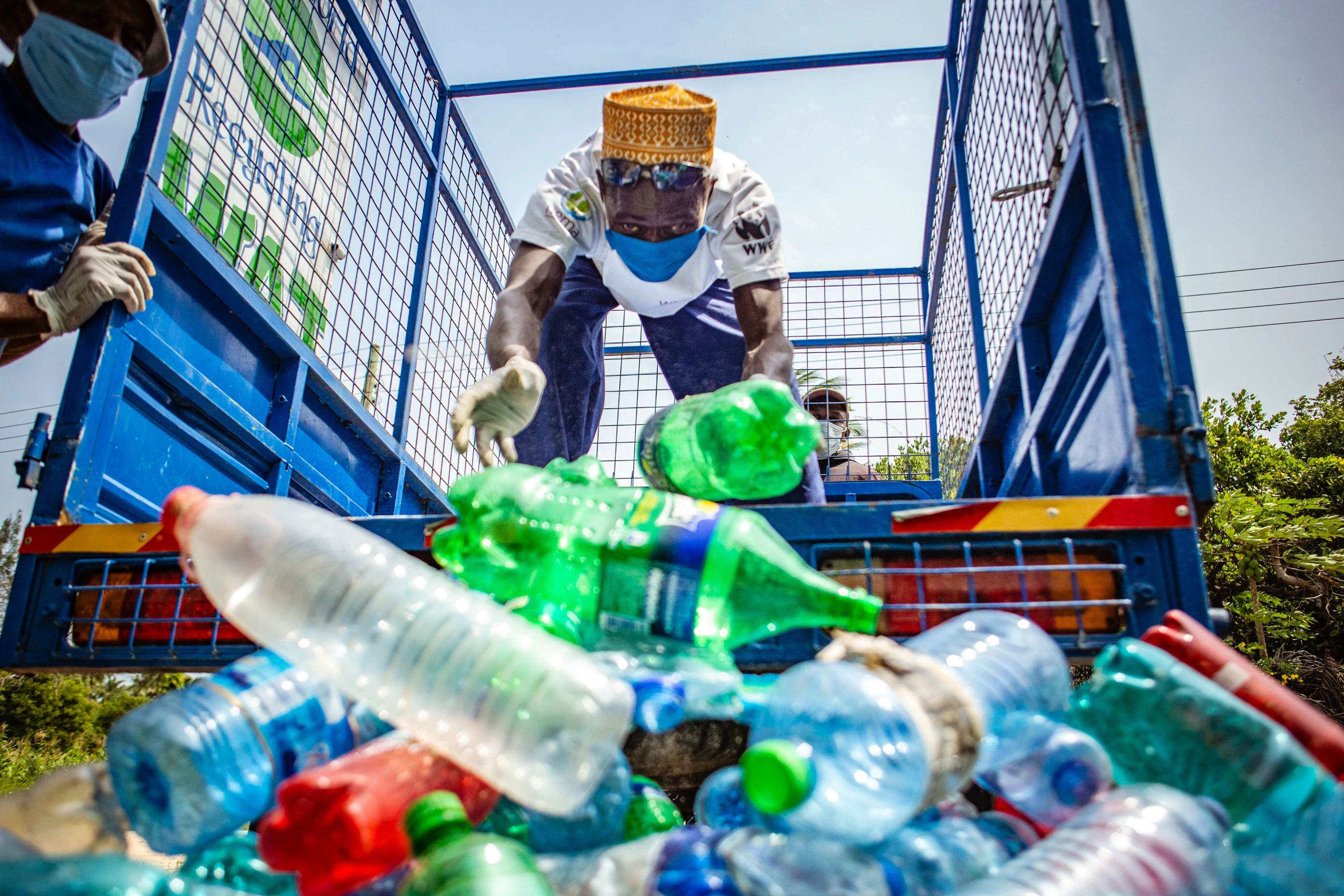
A zero-waste approach entails responsible production, consumption and disposal of products in a closed, circular system. This means that resources are reused or recovered as much as possible and that we minimize the pollution to air, land or water. The International Day of Zero Waste aims to promote sustainable consumption and production patterns, support the societal shift towards circularity and raise awareness about how zero-waste initiatives contribute to the advancement of the 2030 Agenda for Sustainable Development.
The 2023 UNEP's World Environment Day campaign #BeatPlasticPollution calls for global solutions to combat plastic pollution. Our planet is choking on plastic. It's time for change. Nations commit to develop a legally binding agreement.